
Why You Will Love This Recipe
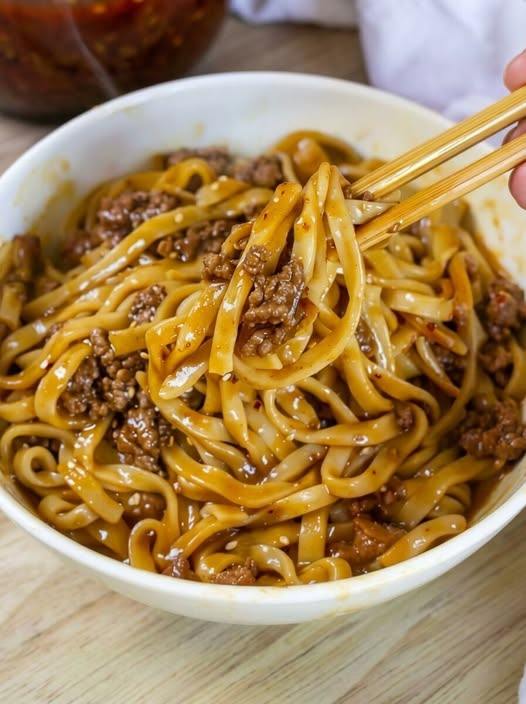
This Ground Beef Mongolian Noodles recipe is a game-changer for anyone who craves the rich, umami flavors of Asian cuisine but doesn’t want to spend hours in the kitchen. You’ll love how the tender ground beef mingles with the chewy noodles, all coated in a luscious sauce that balances sweet and savory perfectly. It’s a dish that feels like a warm hug on a cold day, bringing comfort and satisfaction with every bite.
Not only is it incredibly delicious, but it’s also quick to prepare, making it ideal for those hectic weeknights when time is of the essence. The ingredients are simple and easily accessible, yet the result is anything but ordinary. This recipe is sure to become a staple in your meal rotation, delighting family and friends alike with its bold flavors and comforting textures.
Ingredients
- 1 pound ground beef
- 8 ounces of your favorite noodles (lo mein, spaghetti, or rice noodles work well)
- 1/4 cup soy sauce
- 1/4 cup brown sugar
- 2 tablespoons hoisin sauce
- 1 tablespoon sesame oil
- 1 tablespoon vegetable oil
- 3 cloves garlic, minced
- 1 teaspoon fresh ginger, grated
- 1/4 teaspoon red pepper flakes (optional for heat)
- 2 green onions, sliced
- Sesame seeds for garnish
Step by Step Instructions
- Cook the noodles: Begin by cooking your noodles according to the package instructions. Drain and set aside.
- Prepare the sauce: In a small bowl, whisk together the soy sauce, brown sugar, hoisin sauce, and sesame oil. Set aside.
- Cook the beef: Heat vegetable oil in a large skillet over medium-high heat. Add the ground beef and cook until browned, breaking it apart with a spoon as it cooks. Drain excess fat.
- Add aromatics: Stir in the garlic and ginger, cooking until fragrant, about 1 minute.
- Combine with sauce: Pour the prepared sauce over the beef, stirring to coat evenly. Let it simmer for a couple of minutes to thicken slightly.
- Toss with noodles: Add the cooked noodles to the skillet, tossing everything together until the noodles are well coated with the sauce.
- Garnish and serve: Sprinkle with sliced green onions and sesame seeds before serving. Enjoy your meal!
You Must Know
One of the secrets to the success of this dish is the balance of flavors. The sweetness of the brown sugar complements the saltiness of the soy sauce, while the hoisin sauce adds depth and complexity. If you prefer a bit of heat, don’t hesitate to add the red pepper flakes, which give the dish a subtle kick without overpowering the other flavors.
It’s also important to use fresh garlic and ginger for the best results. These ingredients provide a fragrant base that elevates the entire dish, making it taste like something you’d order at a high-end restaurant. Don’t skip the garnish of green onions and sesame seeds—they add a fresh, crunchy contrast to the rich, savory noodles.
Storage Tips
If you have leftovers, store them in an airtight container in the refrigerator for up to three days. When reheating, you may want to add a splash of water or broth to loosen the noodles, as they can absorb the sauce and become dry over time. Reheat gently on the stovetop or in the microwave until warmed through.
This dish also freezes well. Place portions in freezer-safe containers and freeze for up to two months. To reheat, thaw overnight in the refrigerator and follow the same reheating instructions as above. It’s a great make-ahead meal for busy weeks or when you need a quick dinner solution.
Ingredient Substitutions
If you don’t have ground beef on hand, ground turkey or chicken make excellent substitutes and can lighten the dish a bit. For a vegetarian version, try using crumbled tofu or a plant-based ground meat alternative. You can also swap the noodles for a gluten-free option if needed.
Feel free to experiment with vegetables, too. Adding bell peppers, broccoli, or snap peas can enhance the nutritional value and add a pop of color to the dish. Just sauté them along with the beef or toss them in with the noodles at the end.
Serving Suggestions
These Mongolian noodles are a complete meal on their own, but they pair beautifully with a side of steamed vegetables or a crisp Asian slaw. For a heartier meal, serve alongside some egg rolls or dumplings for a delightful Asian-inspired feast.
To elevate the dining experience, consider serving with a pot of jasmine tea or a light, crisp white wine. The aromatic flavors of the tea or the citrus notes of the wine complement the savory noodles perfectly, making for a balanced and satisfying meal.
Cultural Context
Mongolian cuisine is known for its hearty, meat-centric dishes, often featuring bold flavors and simple preparation methods. While this recipe isn’t traditionally Mongolian, it draws inspiration from the flavor profiles found in Mongolian barbecue dishes, which are popular in many Asian-American restaurants.
The sweet and savory sauce is a hallmark of these dishes, typically achieved through a combination of soy sauce, sugar, and other seasonings. This recipe adapts those flavors into a home-cooked meal that’s both accessible and delicious, allowing you to enjoy a taste of Asian-inspired cuisine without leaving your kitchen.
Pro Tips
To ensure your noodles are perfectly cooked, be sure to undercook them slightly when boiling. They will continue to cook when tossed with the hot beef and sauce, absorbing all the delicious flavors without becoming mushy.
For an extra layer of flavor, consider toasting the sesame seeds before garnishing. Simply heat a dry skillet over medium heat, add the seeds, and stir until they are golden brown and fragrant. This small step adds a nutty depth to the dish that enhances its overall appeal.
Recipe FAQs
Can I make this recipe ahead of time? Absolutely! Prepare the sauce and cook the beef in advance, then combine with freshly cooked noodles just before serving for the best texture.
What if I don’t have hoisin sauce? You can substitute with oyster sauce or a mix of soy sauce and a bit of honey for a similar flavor profile.
Is this dish spicy? The dish is mildly spicy due to the optional red pepper flakes. Adjust the amount to suit your heat preference, or omit entirely for a milder version.