
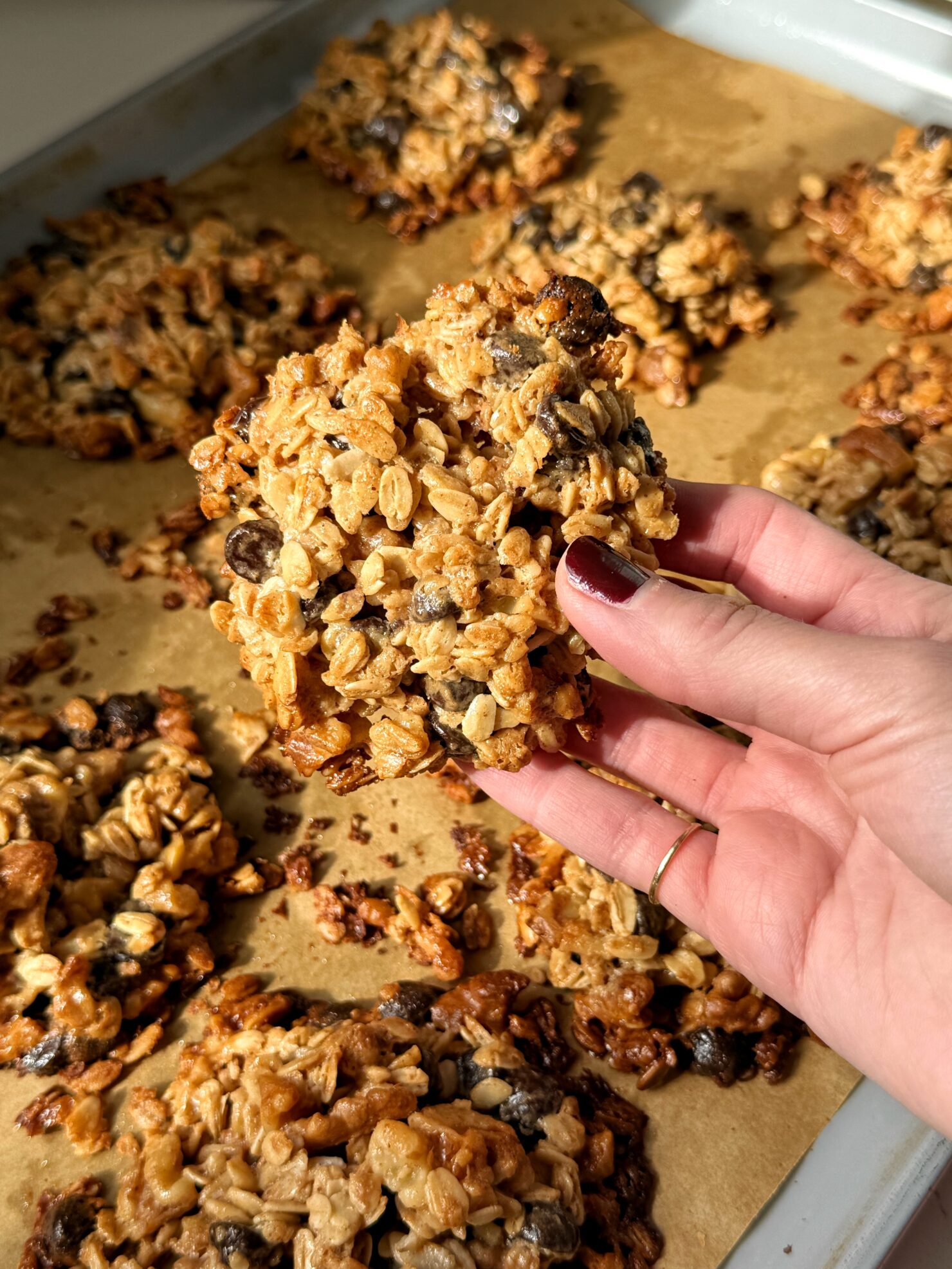
Why You Will Love This Recipe
These Gluten-Free Vegan Oatmeal Magic Cookies are a game-changer for anyone who loves a good cookie but wants to keep things healthy. Imagine biting into a cookie that’s not only deliciously chewy but also packed with wholesome ingredients. Whether you’re gluten-free, vegan, or just looking for a healthier treat, these cookies will hit the spot. They’re perfect for satisfying your sweet tooth without the guilt, and they’re so simple to make, you’ll wonder why you didn’t try them sooner.
The magic of these cookies lies in their versatility and the way they bring people together. I remember the first time I made them; the whole house was filled with the warm, inviting aroma of baking oats and chocolate. It was an instant hit with my family, and now, making these cookies has become a cherished tradition. They’re perfect for any occasion, from casual afternoon snacks to festive holiday gatherings.
Ingredients
- 1 cup gluten-free rolled oats
- 1/2 cup almond flour
- 1/4 cup coconut sugar
- 1/4 cup maple syrup
- 1/4 cup coconut oil, melted
- 1 teaspoon vanilla extract
- 1/2 teaspoon baking soda
- 1/4 teaspoon salt
- 1/2 cup vegan chocolate chips
- 1/4 cup chopped nuts (optional)
Step by Step Instructions
- Preheat your oven to 350°F (175°C) and line a baking sheet with parchment paper.
- In a large bowl, combine the oats, almond flour, coconut sugar, baking soda, and salt. Stir until well mixed.
- In a separate bowl, whisk together the melted coconut oil, maple syrup, and vanilla extract.
- Pour the wet ingredients into the dry ingredients and stir until just combined. Fold in the chocolate chips and nuts, if using.
- Scoop tablespoon-sized amounts of dough onto the prepared baking sheet, spacing them about 2 inches apart.
- Bake for 10-12 minutes, or until the edges are golden brown. Allow the cookies to cool on the baking sheet for a few minutes before transferring them to a wire rack to cool completely.
You Must Know
These cookies are incredibly forgiving, which makes them perfect for bakers of all levels. If you’re new to gluten-free baking, don’t worry—this recipe is designed to be foolproof. The key is to ensure your oats are certified gluten-free to avoid any cross-contamination. The combination of almond flour and oats provides a delightful texture that is both chewy and satisfying.
One of the best things about these cookies is their ability to stay fresh for days. They’re perfect for making ahead of time and storing for whenever you need a quick snack or a sweet treat. Plus, they freeze beautifully, so you can always have a batch on hand for unexpected guests or late-night cravings.
Storage Tips
To keep your cookies fresh, store them in an airtight container at room temperature for up to a week. If you want to extend their shelf life, you can refrigerate them for up to two weeks. For longer storage, consider freezing the cookies. Simply place them in a freezer-safe bag or container, and they’ll keep for up to three months. When you’re ready to enjoy them, just let them thaw at room temperature or warm them up in the oven for a few minutes.
Ingredient Substitutions
If you don’t have almond flour on hand, you can substitute it with oat flour or another nut flour of your choice. For those who are not vegan, feel free to use regular chocolate chips. If you prefer a different sweetener, honey or agave syrup can be used in place of maple syrup, though it may slightly alter the flavor.
For a nut-free version, simply omit the chopped nuts or replace them with seeds like sunflower or pumpkin seeds. This recipe is highly adaptable, so feel free to experiment with different add-ins like dried fruits or shredded coconut to suit your taste preferences.
Serving Suggestions
These cookies are delightful on their own, but they also pair wonderfully with a cold glass of almond milk or a hot cup of tea. For a special treat, try serving them warm with a scoop of dairy-free ice cream on top. They make a perfect addition to any dessert platter or as a sweet ending to a meal.
Consider packaging these cookies in a decorative tin or jar for a thoughtful homemade gift. They’re sure to bring a smile to anyone’s face, whether they’re enjoyed as a midday snack or a sweet surprise in a lunchbox.
Cultural Context
Oatmeal cookies have been a beloved treat in many cultures, often associated with comfort and nostalgia. Their origins can be traced back to Scotland, where oats were a staple ingredient. Over time, these cookies have evolved, with various cultures adding their own unique twists, such as the inclusion of chocolate chips and nuts.
The vegan and gluten-free adaptations of traditional recipes reflect a growing awareness and accommodation of dietary needs and preferences. These cookies are a testament to how classic recipes can be reinvented to meet modern dietary trends while still preserving their comforting essence.
Pro Tips
For the best texture, be sure to measure your ingredients accurately, especially the flour and oats. Too much flour can result in dry cookies, while too little will make them overly soft. Using a cookie scoop will help ensure evenly sized cookies that bake uniformly.
Don’t skip the cooling step on the baking sheet. This allows the cookies to firm up and develop their chewy texture. If you’re a fan of extra gooey cookies, try underbaking them slightly and letting them cool completely before enjoying.
Recipe FAQs
Can I make these cookies without coconut oil?
Yes, you can substitute coconut oil with another plant-based oil, such as olive oil or avocado oil. Keep in mind that this may slightly change the flavor and texture of the cookies.
Are these cookies suitable for freezing?
Absolutely! These cookies freeze very well. Make sure they are completely cooled before placing them in a freezer-safe bag or container. They can be stored in the freezer for up to three months.
Can I add other mix-ins to these cookies?
Definitely! Feel free to get creative with your mix-ins. Dried cranberries, raisins, or even white chocolate chips would make great additions. Just be sure not to overload the dough, as this can affect the baking process.