
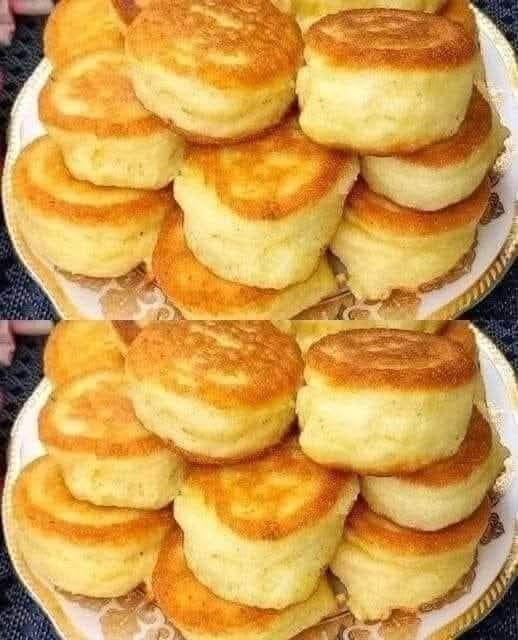
Why You Will Love This Recipe
The Semolina Kefir Cake is a delightful treat that combines the unique texture of semolina with the tangy richness of kefir. This cake is not only incredibly moist but also has a subtle sweetness that makes it perfect for any occasion. Whether you’re serving it as a dessert or enjoying a slice with your afternoon tea, this cake is sure to become a staple in your baking repertoire.
One of the reasons you’ll love this recipe is its simplicity. With just a few ingredients and minimal preparation, you can create a cake that tastes like it came from a gourmet bakery. The combination of semolina and kefir gives the cake a unique crumb and flavor profile that is both comforting and sophisticated. Plus, the cake stays moist for days, making it a great make-ahead option for gatherings or family meals.
This cake also holds a special place in many hearts due to its nostalgic appeal. For many, it brings back memories of family gatherings and the comforting aroma of baked goods wafting through the house. It’s a recipe that bridges generations, allowing you to share a piece of your heritage with loved ones.
Ingredients
- 1 cup semolina
- 1 cup kefir
- 1 cup sugar
- 1/2 cup all-purpose flour
- 1/2 cup vegetable oil
- 3 large eggs
- 1 teaspoon baking powder
- 1 teaspoon vanilla extract
- 1/4 teaspoon salt
- Zest of 1 lemon (optional)
Step by Step Instructions
- Preheat your oven to 350°F (175°C) and grease a 9-inch round cake pan.
- In a large mixing bowl, combine the semolina and kefir. Let it sit for 30 minutes to allow the semolina to absorb the liquid.
- In another bowl, whisk together the sugar, eggs, and vanilla extract until light and fluffy.
- Gradually add the vegetable oil to the egg mixture, whisking continuously to emulsify.
- Fold the flour, baking powder, and salt into the semolina mixture, followed by the egg mixture. Mix until just combined.
- If using, add the lemon zest and gently fold it into the batter.
- Pour the batter into the prepared cake pan and smooth the top with a spatula.
- Bake for 35-40 minutes, or until a toothpick inserted into the center comes out clean.
- Allow the cake to cool in the pan for 10 minutes before transferring it to a wire rack to cool completely.
You Must Know
One important thing to note about this Semolina Kefir Cake is the role of kefir. Kefir is a fermented milk drink similar to yogurt but with a thinner consistency. It adds a tangy flavor and moisture to the cake, which is essential for achieving the perfect texture. If you’re new to baking with kefir, you’ll be pleasantly surprised by the depth of flavor it brings to the table.
Another key aspect is the semolina. Semolina is a coarse flour made from durum wheat, commonly used in pasta and couscous. In this cake, it provides a unique texture that sets it apart from traditional flour-based cakes. The semolina gives the cake a slightly grainy texture that is both intriguing and delightful.
Finally, the resting period for the semolina and kefir mixture is crucial. Allowing the semolina to soak in the kefir ensures that the grains soften properly, resulting in a tender crumb. Skipping this step might leave you with a cake that is too dense or gritty.
Storage Tips
Storing your Semolina Kefir Cake is simple, and it keeps well, making it a convenient option for busy weeks or entertaining. Once the cake has cooled completely, wrap it in plastic wrap or place it in an airtight container. It can be stored at room temperature for up to three days.
If you wish to keep it for longer, you can refrigerate the cake for up to a week. Just ensure it’s well-covered to prevent it from drying out or absorbing any odors from the fridge. When you’re ready to enjoy a slice, let it come to room temperature for the best flavor and texture.
For even longer storage, consider freezing the cake. Wrap it tightly in plastic wrap and then in aluminum foil, or place it in a freezer-safe bag. It can be frozen for up to three months. Thaw the cake in the refrigerator overnight and bring it to room temperature before serving.
Ingredient Substitutions
If you find yourself missing an ingredient or two, don’t worry! There are several substitutions you can make without compromising the cake’s flavor or texture. For instance, if you don’t have kefir on hand, you can substitute it with buttermilk or a mix of yogurt and milk. This will still give you the tangy flavor and moisture needed for the cake.
For a dairy-free version, try using a plant-based yogurt or kefir alternative. Coconut or almond milk yogurt can work well, though it may slightly alter the flavor profile. If you need to replace the eggs, a flaxseed or chia seed egg substitute can be used to maintain the cake’s structure.
Lastly, if you want to experiment with flavors, consider adding a pinch of cinnamon or cardamom to the batter. These spices can complement the tanginess of the kefir and add a warm, aromatic note to the cake.
Serving Suggestions
There are numerous ways to serve and enjoy your Semolina Kefir Cake. For a simple presentation, dust the top of the cake with powdered sugar just before serving. This adds a touch of sweetness and a lovely visual contrast against the golden cake.
If you’re serving the cake as a dessert, consider pairing it with a dollop of whipped cream or a scoop of vanilla ice cream. The creaminess of these accompaniments balances the cake’s tangy flavor beautifully. Fresh berries or a fruit compote can also be a delightful addition, adding a burst of color and freshness.
For a more indulgent treat, drizzle the cake with a lemon glaze or a honey syrup. This not only enhances the cake’s moisture but also adds an extra layer of flavor that complements the semolina and kefir perfectly.
Cultural Context
The Semolina Kefir Cake has its roots in Eastern European and Middle Eastern cuisines, where both semolina and kefir are staple ingredients. In these regions, semolina is often used in both sweet and savory dishes, celebrated for its versatility and unique texture.
Kefir, on the other hand, has been a traditional drink in Eastern Europe for centuries, valued for its probiotic properties and tangy flavor. Incorporating kefir into baked goods is a testament to the resourcefulness of these cuisines, turning everyday ingredients into something special.
This cake is a reflection of the rich culinary traditions that prioritize flavor and texture while making the most of simple, wholesome ingredients. It’s a recipe that has been passed down through generations, each family adding their own twist to make it uniquely theirs.
Pro Tips
To ensure your Semolina Kefir Cake turns out perfectly every time, here are a few pro tips to keep in mind. First, make sure to measure your ingredients accurately. Baking is a science, and even small deviations can affect the final result. Use a kitchen scale if possible for the most precise measurements.
When mixing the batter, be gentle. Overmixing can lead to a dense cake, so stir just until the ingredients are combined. This will help maintain the cake’s light and airy texture.
Finally, don’t rush the cooling process. Allow the cake to cool in the pan for a few minutes before transferring it to a wire rack. This helps prevent the cake from breaking apart and ensures it retains its shape and moisture.
Recipe FAQs
Can I use whole wheat flour instead of all-purpose flour?
Yes, you can use whole wheat flour, but keep in mind it may result in a denser cake. You might want to use a mix of whole wheat and all-purpose flour to maintain a lighter texture.
What can I do if I don’t have kefir?
If kefir is unavailable, you can substitute it with buttermilk or a combination of yogurt and milk. These alternatives will still provide the necessary tanginess and moisture.
How can I tell when the cake is done?
The cake is done when a toothpick inserted into the center comes out clean or with just a few crumbs attached. Additionally, the edges of the cake should start to pull away from the sides of the pan.