
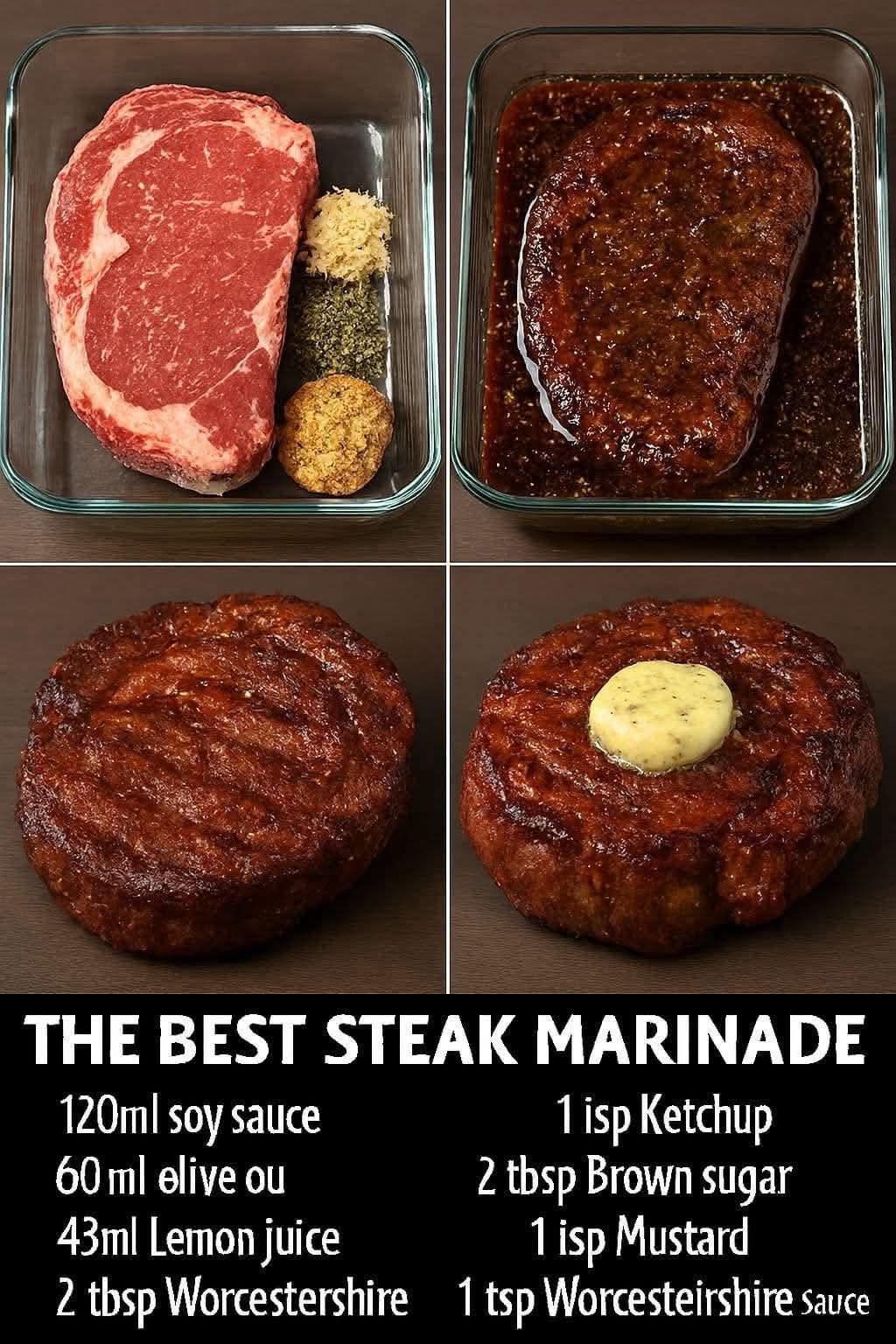
Why You Will Love This Recipe
There’s something undeniably satisfying about a perfectly grilled ribeye steak. The marbling, the sizzle, the aroma that fills the air—it’s a sensory experience that promises a delightful meal. Whether you’re a seasoned grill master or a novice, this recipe is designed to deliver restaurant-quality results in the comfort of your own backyard. The ribeye’s rich flavor and tender texture make it a favorite among steak lovers, and with just a few simple ingredients, you can achieve a mouthwatering steak that will have everyone asking for seconds.
One of the reasons this recipe stands out is its simplicity. With minimal preparation and a short cooking time, you can focus on what matters most: enjoying the company of family and friends. The ribeye’s natural flavors are enhanced with a touch of salt, pepper, and a hint of garlic, allowing the quality of the meat to shine through. This steak is perfect for any occasion, from a casual weeknight dinner to a celebratory feast.
Ingredients
- 2 ribeye steaks, about 1 inch thick
- 2 tablespoons olive oil
- 1 teaspoon kosher salt
- 1 teaspoon freshly ground black pepper
- 2 cloves garlic, minced
- Optional: fresh rosemary or thyme sprigs for garnish
Step by Step Instructions
- Prepare the Steaks: Remove the ribeye steaks from the refrigerator and let them sit at room temperature for about 30 minutes. This helps them cook more evenly.
- Season the Steaks: Drizzle the olive oil over both sides of the steaks. Sprinkle with salt, pepper, and minced garlic, pressing the seasonings into the meat.
- Preheat the Grill: Heat your grill to high heat, around 450-500°F (232-260°C). Ensure the grates are clean and lightly oiled to prevent sticking.
- Grill the Steaks: Place the steaks on the grill and cook for about 4-5 minutes on each side for medium-rare, or adjust the time according to your desired doneness. Use a meat thermometer to check the internal temperature: 130°F (54°C) for medium-rare, 140°F (60°C) for medium.
- Rest the Steaks: Remove the steaks from the grill and let them rest for 5 minutes. This allows the juices to redistribute, ensuring a juicy steak.
- Serve and Enjoy: Garnish with fresh rosemary or thyme if desired, and serve immediately. Enjoy your perfectly grilled ribeye steak!
You Must Know
Grilling a ribeye steak to perfection is both an art and a science. Understanding the nuances of your grill and the cut of meat is crucial. Ribeye steaks are known for their marbling, which contributes to their rich flavor and tenderness. Ensure your grill is hot enough to sear the steaks quickly, creating a delicious crust while keeping the inside juicy.
Resting the steak is a step you must not skip. This brief pause before serving allows the fibers of the meat to relax and the juices to settle, resulting in a more flavorful and tender bite. If you’re new to grilling, consider investing in a good quality meat thermometer to take the guesswork out of achieving your preferred level of doneness.
Storage Tips
If you have leftover ribeye steak, store it in an airtight container in the refrigerator for up to 3 days. To reheat, place the steak in a skillet over medium heat, adding a splash of water or broth to keep it moist. Cover with a lid and heat until warmed through. Avoid microwaving, as it can make the steak tough.
For longer storage, you can freeze the cooked steak. Wrap it tightly in plastic wrap and aluminum foil, or use a vacuum-sealed bag. Freeze for up to 2 months. Thaw in the refrigerator overnight before reheating.
Ingredient Substitutions
If ribeye isn’t available, you can substitute with other cuts like strip steak or sirloin, though the flavor and texture may vary slightly. For a different twist, try using a dry rub or marinade instead of the simple salt and pepper seasoning. Experiment with spices like smoked paprika or cumin for a unique flavor profile.
Olive oil can be replaced with other oils such as avocado or grapeseed oil, which also have high smoke points suitable for grilling. If you’re looking to add a bit of heat, consider adding a pinch of cayenne pepper or red pepper flakes to the seasoning mix.
Serving Suggestions
This ribeye steak pairs beautifully with a variety of side dishes. For a classic steakhouse experience, serve it with a baked potato and a crisp green salad. Grilled vegetables, such as asparagus or bell peppers, complement the steak’s robust flavor and add a splash of color to your plate.
For a more indulgent meal, consider serving the steak with creamy mashed potatoes and a rich mushroom sauce. A glass of full-bodied red wine, like Cabernet Sauvignon or Merlot, enhances the dining experience with its complementary flavors.
Cultural Context
The ribeye steak is a beloved cut of beef in many cultures, celebrated for its flavor and tenderness. In the United States, it’s a staple of backyard barbecues and upscale steakhouses alike, often associated with celebrations and gatherings. Its origins can be traced back to the cattle ranches of the American Midwest, where beef production has been a way of life for generations.
Grilling steak is a tradition that spans the globe, with each culture adding its unique twist. In Argentina, for example, ribeye is often grilled over an open flame and served with chimichurri sauce, a vibrant blend of herbs and garlic. This recipe pays homage to these rich traditions while offering a straightforward approach that anyone can master.
Pro Tips
For the best results, choose ribeye steaks with good marbling, as this fat content is what gives the steak its juicy, flavorful profile. Allowing the steaks to come to room temperature before grilling ensures even cooking.
When grilling, resist the urge to move the steaks around too much. Let them sear on one side before flipping to develop a beautiful crust. Use tongs instead of a fork to turn the steaks, as piercing the meat can cause the juices to escape.
Recipe FAQs
Q: Can I cook ribeye steak on a stovetop?
A: Absolutely! Use a cast-iron skillet to sear the steaks over high heat, then finish them in a preheated oven until they reach your desired doneness.
Q: How do I know when my steak is done?
A: Use a meat thermometer to check the internal temperature. For medium-rare, aim for 130°F (54°C), and for medium, 140°F (60°C).
Q: Can I marinate the steaks?
A: Yes, marinating can add additional flavor. Use a simple marinade of olive oil, soy sauce, and herbs, and let the steaks marinate for at least an hour before grilling.