
Why You Will Love This Recipe
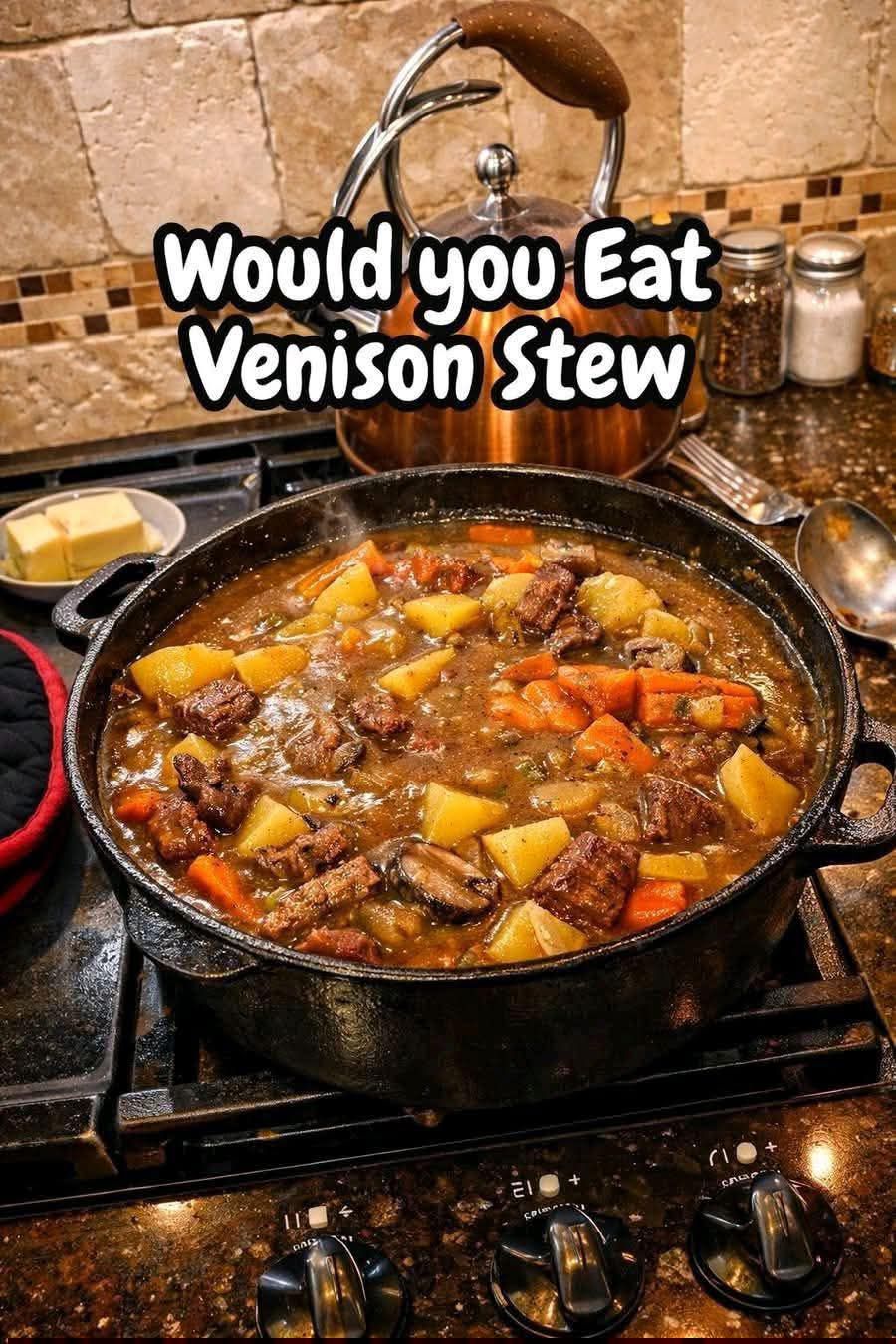
There’s something magical about a pot of stew simmering on the stove, filling your home with enticing aromas. This venison stew is no exception. With its deep, rich flavors and melt-in-your-mouth tenderness, it’s a dish that promises to warm you from the inside out. Whether you’re an experienced hunter or just someone who loves a hearty meal, this recipe will become a beloved staple in your kitchen.
The beauty of this stew lies in its simplicity and the way it transforms humble ingredients into something extraordinary. The venison, known for its lean and flavorful profile, pairs perfectly with the earthy vegetables and robust herbs, creating a symphony of flavors that is both comforting and satisfying. Plus, it’s a fantastic way to introduce your family to the joys of wild game without overwhelming their palates.
Ingredients
- 2 pounds of venison, cubed
- 3 tablespoons olive oil
- 1 large onion, chopped
- 3 cloves garlic, minced
- 4 carrots, sliced
- 3 potatoes, diced
- 2 cups beef broth
- 1 cup red wine
- 2 tablespoons tomato paste
- 1 teaspoon dried thyme
- 1 teaspoon rosemary
- Salt and pepper to taste
- 2 tablespoons flour
- 1 bay leaf
Step by Step Instructions
- Prepare the Venison: Pat the venison cubes dry with paper towels to ensure they brown nicely. Season them generously with salt and pepper.
- Brown the Meat: In a large pot, heat olive oil over medium-high heat. Add the venison in batches, browning each side. Remove and set aside.
- Sauté the Vegetables: In the same pot, add the onion and garlic, sautéing until fragrant and translucent. Add the carrots and potatoes, cooking for another 5 minutes.
- Deglaze the Pot: Pour in the red wine, scraping up any browned bits from the bottom of the pot. Let it simmer for a few minutes to reduce slightly.
- Combine Ingredients: Return the venison to the pot. Stir in the beef broth, tomato paste, thyme, rosemary, and bay leaf. Bring to a gentle boil.
- Simmer: Reduce the heat to low, cover, and let the stew simmer for 1.5 to 2 hours, or until the venison is tender.
- Thicken the Stew: In a small bowl, mix the flour with a bit of water to form a paste. Stir it into the stew to thicken the sauce.
- Final Touches: Adjust seasoning with salt and pepper to taste. Remove the bay leaf before serving.
You Must Know
Cooking with venison can be a delightful experience, but it requires a few tips to get it just right. Venison is leaner than beef, which means it can dry out if overcooked. The key is to cook it slowly and gently, allowing the meat to tenderize and absorb all the rich flavors of the stew. This method ensures that each bite is juicy and flavorful.
Additionally, choosing the right cut of venison is crucial. Opt for shoulder or leg cuts, which are ideal for slow cooking. These cuts have enough connective tissue that breaks down during cooking, adding to the stew’s luscious texture. Remember, patience is your best friend when making this stew!
Storage Tips
This venison stew is perfect for meal prep or enjoying leftovers. Once cooled, store it in an airtight container in the refrigerator for up to 3 days. The flavors continue to develop, making it even more delicious the next day.
If you wish to freeze the stew, allow it to cool completely before transferring it to a freezer-safe container. It can be stored in the freezer for up to 3 months. To reheat, thaw overnight in the refrigerator and warm gently on the stove over low heat, stirring occasionally.
Ingredient Substitutions
If you don’t have venison on hand, you can substitute it with beef or lamb. Both will provide a similar texture and absorb the stew’s flavors beautifully. For a vegetarian version, consider using hearty mushrooms and lentils as a protein-packed alternative.
Feel free to experiment with the vegetables as well. Parsnips, turnips, or sweet potatoes can add a unique twist to the stew. If you’re out of red wine, replace it with additional beef broth or a splash of balsamic vinegar for acidity.
Serving Suggestions
This venison stew is a meal in itself, but pairing it with a few sides can elevate your dining experience. Serve it alongside crusty bread or over a bed of creamy mashed potatoes to soak up the delicious sauce. A fresh green salad with a tangy vinaigrette can provide a refreshing contrast to the rich stew.
For a more indulgent meal, consider serving the stew with a side of buttered noodles or polenta. These sides complement the stew’s flavors and make for a satisfying, hearty meal that’s perfect for any occasion.
Cultural Context
Venison has been a staple in many cultures around the world, particularly in regions where hunting is a way of life. In Europe, venison has long been considered a delicacy, often featured in festive meals and special occasions. Its rich, gamey flavor is celebrated in traditional dishes, such as stews and roasts.
In North America, venison is often associated with hunting season and the traditions that come with it. For many families, preparing and sharing a venison meal is a cherished ritual that connects them to the land and their heritage. This stew is a tribute to those traditions, offering a taste of the wild in every bite.
Pro Tips
To enhance the flavor of your venison stew, consider marinating the meat overnight in a mixture of red wine, garlic, and herbs. This not only tenderizes the meat but also infuses it with additional layers of flavor.
Another tip is to use a heavy-bottomed pot or Dutch oven for even heat distribution. This ensures that the stew cooks evenly and prevents any hot spots that could lead to burning. Finally, don’t rush the cooking process. Allow the stew to simmer gently, giving the flavors time to meld and the meat to become tender.
Recipe FAQs
Can I make this stew in a slow cooker? Absolutely! After browning the venison and sautéing the vegetables, transfer everything to a slow cooker. Cook on low for 6-8 hours or until the venison is tender.
What wine pairs well with venison stew? A full-bodied red wine, such as Cabernet Sauvignon or Merlot, complements the rich flavors of the stew beautifully. Alternatively, a hearty Syrah or Malbec can also be a great choice.
Is it necessary to use wine in the recipe? While the wine adds depth and complexity, it’s not essential. You can substitute it with additional beef broth or use a splash of balsamic vinegar for a similar effect.