
Why You Will Love This Recipe
If you’ve ever found yourself standing in the produce aisle, staring at a variety of long, green stalks, wondering which one to pick, you’re not alone. Understanding the subtle differences between green onions, scallions, spring onions, and chives can transform your cooking. This guide will not only help you choose the right ingredient but also enhance the flavors of your dishes, making them truly unforgettable.
Each of these alliums brings a unique flavor profile and texture to your meals. From the mild, fresh taste of chives to the more robust, peppery bite of spring onions, knowing when and how to use each can elevate your culinary creations. Whether you’re a seasoned chef or a home cook, this knowledge is a game-changer that will make you love cooking even more.
Ingredients
While this isn’t a traditional recipe with a list of ingredients, understanding the components and characteristics of each type of onion is crucial. Here’s what you need to know about each:
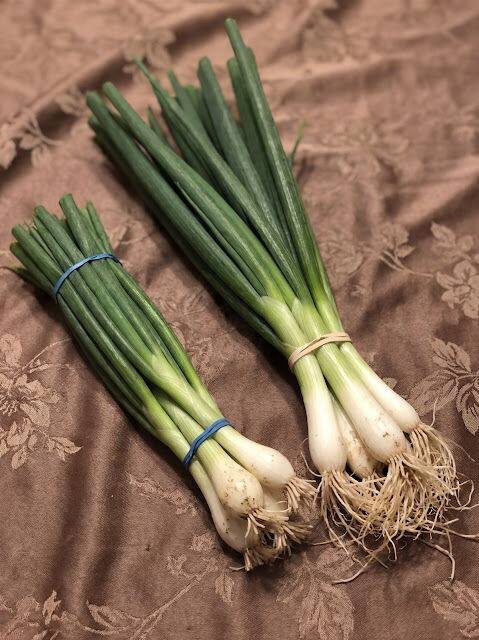
- Green Onions: Often used interchangeably with scallions, these have a mild flavor and can be used raw or cooked.
- Scallions: Similar to green onions, scallions are young onions harvested before the bulb fully develops. They are perfect for garnishing and adding a gentle onion flavor.
- Spring Onions: These have a more developed bulb and a stronger flavor, making them ideal for roasting or grilling.
- Chives: With a delicate onion flavor, chives are perfect for adding a fresh, herbal note to dishes.
Step by Step Instructions
Using these ingredients effectively in your cooking involves understanding their unique characteristics and how they can be incorporated into various dishes. Here’s how you can make the most of each:
- Green Onions and Scallions: Use them interchangeably in salads, soups, and as a garnish. Their mild flavor complements a variety of dishes without overpowering them.
- Spring Onions: Roast or grill them to bring out their sweetness. They make a great side dish or can be added to stir-fries for a more intense flavor.
- Chives: Chop finely and sprinkle over baked potatoes, omelets, or creamy soups for a burst of fresh flavor.
You Must Know
Understanding the growth stages and harvesting times of these alliums is key. Green onions and scallions are essentially the same and are harvested young, while spring onions are left to mature longer, resulting in a larger bulb. Chives, on the other hand, are a completely different species, known for their thin, grass-like appearance and mild taste.
It’s also important to note that while they all belong to the onion family, their uses and flavors can vary significantly. Being aware of these differences will help you make informed decisions in the kitchen, ensuring your dishes are perfectly seasoned and balanced.
Storage Tips
Proper storage can extend the life of your alliums and maintain their flavor. Keep green onions and scallions in a glass of water in the refrigerator, covering the tops with a plastic bag. This method keeps them fresh for up to a week. Spring onions should be stored in the crisper drawer of your fridge, wrapped in a damp paper towel to prevent drying out.
Chives are best stored in a plastic bag in the refrigerator and should be used within a few days for maximum freshness. Alternatively, you can chop and freeze them for longer storage, making sure to use them directly from the freezer without thawing.
Ingredient Substitutions
If you find yourself without one of these ingredients, there are a few substitutions you can try. Leeks can be used in place of green onions or scallions, though they have a stronger flavor. For a mild onion flavor, you can also use the tops of regular onions as a substitute.
When substituting chives, consider using the green tops of garlic or even finely minced shallots, though the flavor will be slightly different. Remember that substitutions can alter the taste and texture of your dish, so adjust seasoning accordingly.
Serving Suggestions
These versatile ingredients can be used in a multitude of dishes. Add chopped green onions or scallions to salads, tacos, or stir-fries for a fresh crunch. Spring onions are delicious when roasted alongside meats or tossed into pasta dishes.
Chives add a delicate flavor to creamy dips, scrambled eggs, or as a garnish on soups. Their mild taste pairs well with a variety of dishes, adding a touch of elegance and a pop of color.
Cultural Context
Alliums have been a staple in cuisines around the world for centuries. Green onions and scallions are popular in Asian dishes, adding freshness and a mild onion flavor to stir-fries and soups. Spring onions are often used in European cooking, where their robust flavor complements roasted meats and vegetables.
Chives have a long history in French cuisine, where they are a key ingredient in fines herbes, a classic blend of herbs used to flavor delicate dishes. Understanding the cultural context of these ingredients can inspire you to explore new recipes and cooking techniques.
Pro Tips
To get the most out of your alliums, consider these pro tips. When using green onions or scallions, use both the white and green parts for a balance of flavor and texture. For spring onions, try grilling them whole to caramelize their natural sugars and enhance their sweetness.
When chopping chives, use a sharp knife to prevent bruising and maintain their vibrant color. Add them at the end of cooking to preserve their delicate flavor. These tips will help you maximize the potential of these versatile ingredients in your kitchen.
Recipe FAQs
Can I use green onions and scallions interchangeably? Yes, they are essentially the same and can be used interchangeably in most recipes.
What’s the best way to store chives? Store chives in a plastic bag in the refrigerator and use them within a few days for optimal freshness.
Are spring onions and green onions the same? No, spring onions have a more developed bulb and a stronger flavor compared to green onions.