
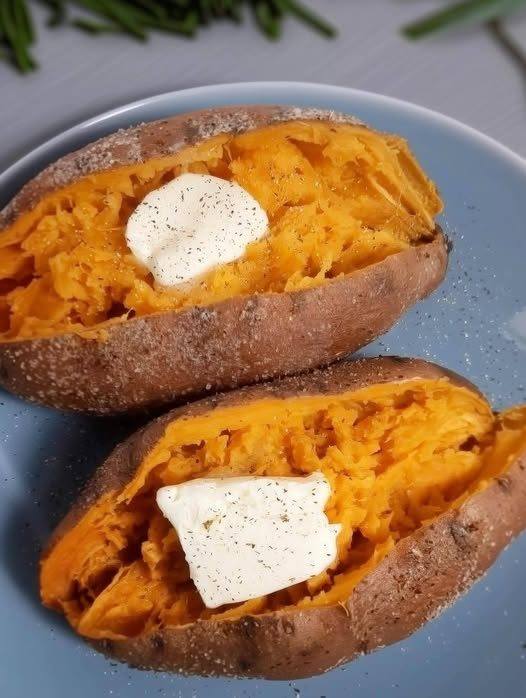
Why You Will Love This Recipe
There’s something undeniably comforting about a perfectly baked potato. This recipe transforms the humble potato into a culinary delight with just a few simple ingredients. The magic lies in the olive oil and salt rub, which creates a lightly crisped skin that contrasts beautifully with the soft, fluffy interior. Whether you’re serving them as a side dish or the main event, these potatoes are sure to impress.
What makes this recipe truly special is its simplicity. With minimal prep time and ingredients, you can have a delicious and satisfying dish ready with little effort. It’s the perfect solution for busy weeknights or when you’re entertaining guests. Plus, the versatility of baked potatoes means you can customize them to suit any taste or dietary preference.
Ingredients
- 4 large russet potatoes
- 2 tablespoons olive oil
- 1 tablespoon coarse sea salt
- Optional toppings: butter, sour cream, chives, cheese, bacon bits
Step by Step Instructions
- Preheat your oven to 400°F (200°C). This temperature ensures the potatoes cook evenly and develop a crispy skin.
- Wash the potatoes thoroughly under running water to remove any dirt. Pat them dry with a clean towel.
- Using a fork, poke several holes in each potato. This allows steam to escape during baking, preventing the potatoes from bursting.
- Rub each potato with olive oil, ensuring they are evenly coated. Sprinkle the coarse sea salt generously over the potatoes, pressing it gently into the skin.
- Place the potatoes directly on the oven rack or on a baking sheet. Bake for 50-60 minutes, or until the skins are crisp and the insides are tender when pierced with a fork.
- Remove from the oven and let them cool slightly before serving. Add your favorite toppings and enjoy!
You Must Know
One of the key secrets to achieving the perfect baked potato is the use of coarse sea salt. Not only does it enhance the flavor, but it also helps to draw out moisture, resulting in a crisper skin. Additionally, the choice of potato is crucial. Russet potatoes are ideal due to their high starch content, which yields a fluffier interior.
Another important tip is to avoid wrapping the potatoes in foil. While this might seem like a good idea to speed up cooking, it actually traps moisture, preventing the skin from becoming crispy. Instead, let the potatoes bake uncovered for the best results.
Storage Tips
If you have leftovers, store the baked potatoes in an airtight container in the refrigerator for up to 3 days. To reheat, place them in a preheated oven at 350°F (175°C) for about 15 minutes, or until heated through. Avoid using the microwave, as it can make the skin soggy.
For longer storage, you can freeze the baked potatoes. Wrap each one individually in plastic wrap and then in foil. They can be stored in the freezer for up to 3 months. To reheat, thaw them in the refrigerator overnight and then bake at 350°F (175°C) until warm.
Ingredient Substitutions
If you don’t have russet potatoes on hand, Yukon Gold potatoes are a good alternative. They have a creamy texture and a slightly buttery flavor that works well in this recipe. For a healthier option, you can use sweet potatoes, which offer a natural sweetness and additional nutrients.
For those looking to reduce sodium intake, you can use a lower-sodium salt or omit the salt entirely. The olive oil will still help achieve a crispy skin, and you can add flavor with your choice of toppings.
Serving Suggestions
Baked potatoes are incredibly versatile and can be served in numerous ways. For a classic approach, top them with butter, sour cream, and chives. For a heartier meal, add shredded cheese and crispy bacon bits. You can also create a loaded baked potato bar with a variety of toppings, allowing everyone to customize their own.
These potatoes pair well with grilled meats, roasted vegetables, or a fresh salad. They also make a great base for a vegetarian meal when topped with steamed broccoli and cheese sauce. The possibilities are endless!
Cultural Context
The baked potato has a rich history and is enjoyed in various cultures around the world. In the United States, it’s a staple at barbecues and family gatherings, often served alongside steaks and ribs. In the UK, jacket potatoes are a popular comfort food, typically filled with baked beans and cheese.
Potatoes themselves have been a dietary staple for centuries, originating in the Andes mountains of South America. They were introduced to Europe in the 16th century and have since become one of the most widely consumed foods globally. The simplicity and versatility of the baked potato make it a beloved dish across cultures.
Pro Tips
For an extra crispy skin, try baking the potatoes on a wire rack placed on a baking sheet. This allows air to circulate around the potatoes, ensuring even crisping. Additionally, flipping the potatoes halfway through baking can help achieve uniform texture.
If you’re short on time, you can start the potatoes in the microwave for a few minutes before transferring them to the oven. This will speed up the cooking process while still allowing you to achieve a crispy skin.
Recipe FAQs
Can I use another type of oil instead of olive oil?
Yes, you can use other oils such as vegetable oil or canola oil. However, olive oil adds a distinct flavor that complements the potatoes well.
How do I know when the potatoes are done?
The potatoes are done when the skin is crispy and the inside is tender. You can test this by inserting a fork into the center of the potato; it should glide in easily.
Can I make this recipe vegan?
Absolutely! Simply use vegan toppings such as plant-based butter, dairy-free cheese, or nutritional yeast for a delicious vegan version.