
Why You Will Love This Recipe
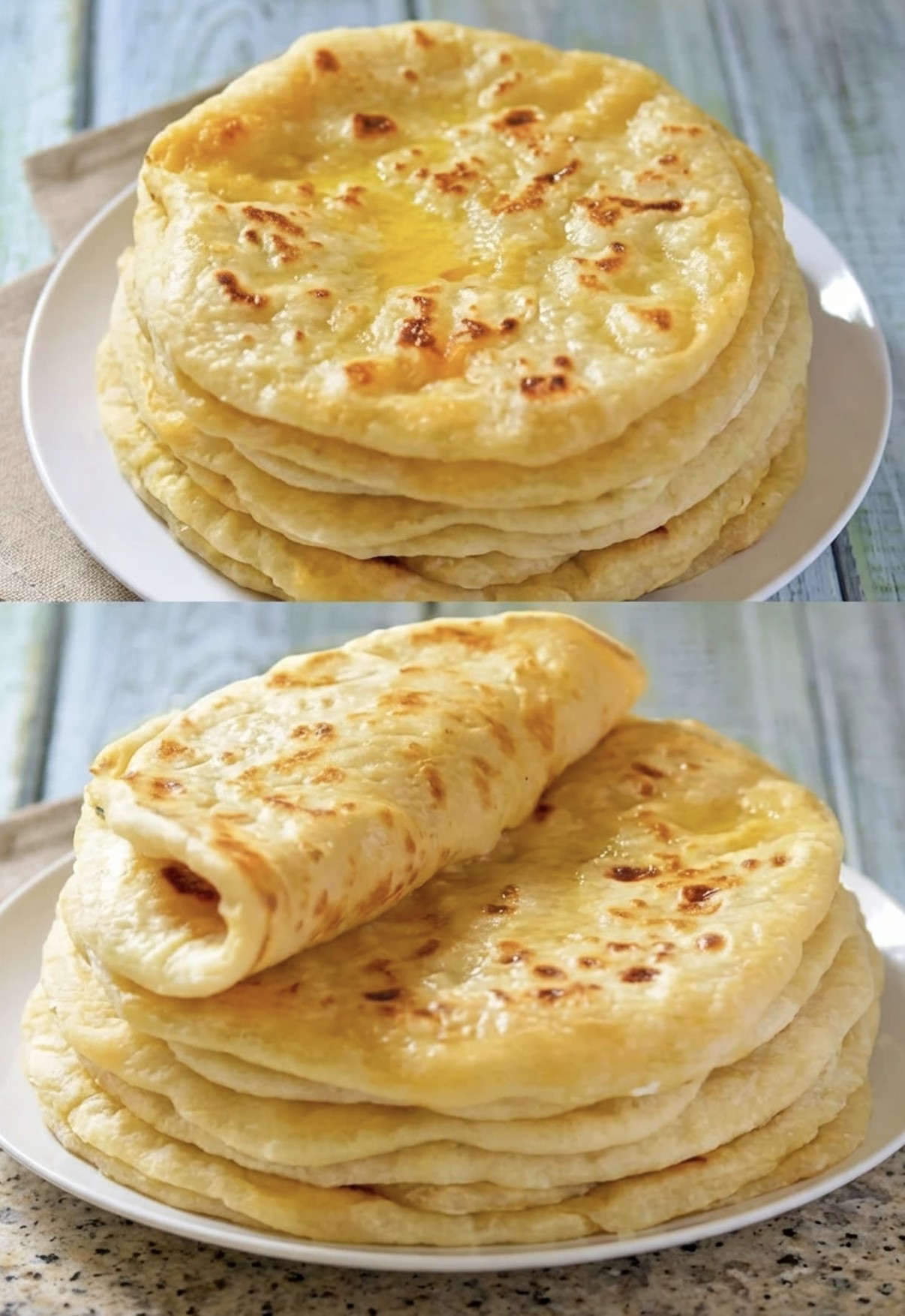
There’s something magical about the smell of freshly baked bread wafting through your home, and this fluffy Turkish bread is no exception. Its pillowy softness and slightly chewy texture make it a perfect companion for soups, stews, or simply enjoyed with a spread of butter. This recipe is not only easy to follow but also yields a bread that is both visually stunning and deliciously satisfying. Whether you’re a seasoned baker or a novice in the kitchen, this Turkish bread is sure to become a staple in your baking repertoire.
The beauty of this bread lies in its simplicity. With just a few ingredients, you can create a loaf that rivals those found in artisan bakeries. The process of kneading the dough and watching it rise is therapeutic, offering a sense of accomplishment as you pull a golden, fluffy loaf from the oven. Plus, the versatility of this bread means it can be paired with almost any dish, making it a go-to recipe for any occasion.
Ingredients
- 500g all-purpose flour
- 300ml warm water
- 2 teaspoons sugar
- 1 teaspoon salt
- 2 tablespoons olive oil
- 1 packet (7g) dry yeast
Step by Step Instructions
- Activate the Yeast: In a small bowl, combine the warm water and sugar. Sprinkle the yeast over the top and let it sit for about 5-10 minutes until frothy.
- Make the Dough: In a large mixing bowl, combine the flour and salt. Make a well in the center and add the yeast mixture and olive oil. Mix until a rough dough forms.
- Knead the Dough: Turn the dough out onto a floured surface and knead for about 10 minutes until smooth and elastic.
- First Rise: Place the dough in a lightly oiled bowl, cover with a damp cloth, and let it rise in a warm place for about 1 hour or until doubled in size.
- Shape the Bread: Punch down the dough and shape it into a round loaf. Place it on a baking sheet lined with parchment paper.
- Second Rise: Cover the loaf with a damp cloth and let it rise for another 30 minutes.
- Bake: Preheat your oven to 220°C (428°F). Bake the bread for 20-25 minutes until golden brown and sounds hollow when tapped on the bottom.
- Cool: Let the bread cool on a wire rack before slicing.
You Must Know
One of the secrets to achieving the perfect fluffy texture in Turkish bread is ensuring that your yeast is fresh and active. Always check the expiration date on your yeast packet and store it in a cool, dry place. The water temperature is also crucial; it should be warm but not hot, around 37°C (98°F), to activate the yeast without killing it.
Another important tip is to allow the dough to rise in a warm, draft-free environment. If your kitchen is cold, you can create a makeshift proofing box by placing the dough in an oven with just the light on. This will provide a consistent warm temperature, encouraging the dough to rise beautifully.
Storage Tips
To keep your Turkish bread fresh, store it in an airtight container or a bread bag at room temperature for up to 3 days. If you want to enjoy it for a longer period, consider freezing the bread. Wrap it tightly in plastic wrap and then in aluminum foil before placing it in the freezer. When you’re ready to eat, thaw it at room temperature and reheat in the oven for a few minutes to restore its softness.
If you find yourself with leftover bread that’s starting to go stale, don’t worry! Stale bread can be transformed into delicious croutons or breadcrumbs, perfect for adding a crunch to salads or as a coating for fried dishes.
Ingredient Substitutions
If you’re out of all-purpose flour, bread flour can be used as a substitute, which will give the bread a slightly chewier texture. For a healthier twist, you can replace up to half of the flour with whole wheat flour, though this may result in a denser loaf.
Olive oil can be swapped for another type of oil, such as canola or vegetable oil, without significantly altering the taste. If you prefer a dairy-free option, you can replace the water with almond milk or another plant-based milk for a subtle flavor variation.
Serving Suggestions
This fluffy Turkish bread is incredibly versatile and can be served in a variety of ways. It pairs wonderfully with a hearty soup or stew, soaking up the rich flavors and providing a satisfying accompaniment. For a Mediterranean twist, serve it alongside a platter of hummus, olives, and feta cheese for a delicious appetizer.
For breakfast or brunch, consider toasting slices of the bread and topping them with avocado, poached eggs, or a drizzle of honey. Its soft texture and mild flavor make it an excellent base for both sweet and savory toppings.
Cultural Context
Turkish bread, known as “ekmek” in Turkey, is a staple in Turkish cuisine and is often enjoyed at every meal. Bread holds a significant cultural importance in Turkey, symbolizing hospitality and abundance. It is common to see baskets of freshly baked bread served at Turkish dining tables, often accompanied by a variety of dips and spreads.
The tradition of bread-making in Turkey dates back centuries, with each region offering its own unique variations. This recipe captures the essence of traditional Turkish bread, with its fluffy interior and golden crust, embodying the warmth and generosity of Turkish hospitality.
Pro Tips
For an extra crispy crust, place a small pan of water on the bottom rack of your oven while baking the bread. The steam will help create a beautiful crust while keeping the inside soft and fluffy.
To add a touch of flavor, consider incorporating herbs or spices into the dough. A sprinkle of sesame seeds or nigella seeds on top before baking can also add a delightful crunch and enhance the bread’s appearance.
Recipe FAQs
Can I make this bread gluten-free? While this recipe is not inherently gluten-free, you can experiment with gluten-free flour blends. Keep in mind that the texture may differ from the traditional version.
How do I know when the bread is done baking? The bread is done when it is golden brown and sounds hollow when tapped on the bottom. If you have a kitchen thermometer, the internal temperature should be around 90°C (194°F).
Can I use fresh yeast instead of dry yeast? Yes, you can substitute fresh yeast for dry yeast. Use about 21g of fresh yeast in place of the 7g dry yeast and dissolve it in the warm water with sugar before mixing with the flour.