
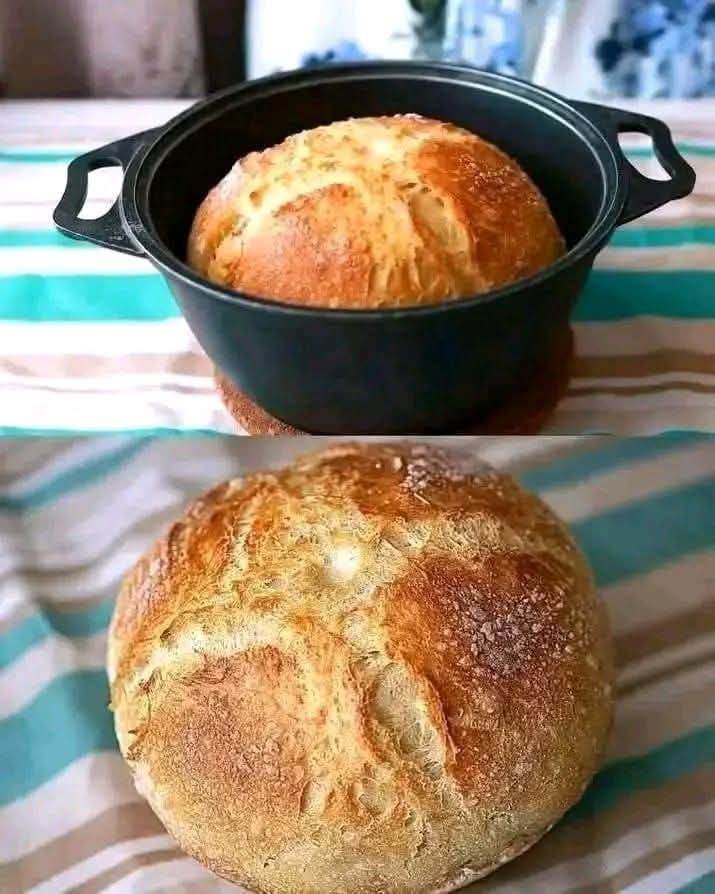
Why You Will Love This Recipe
Baking bread at home is a deeply rewarding experience that connects us to the age-old tradition of bread-making. The aroma that fills your home as the bread bakes is nothing short of magical, creating a warm and inviting atmosphere. This classic homemade bread recipe is perfect for both beginners and seasoned bakers, offering a simple yet satisfying way to produce a loaf that is soft, fluffy, and deliciously golden.
One of the reasons you’ll fall in love with this recipe is its versatility. Whether you’re making sandwiches, toast, or simply enjoying a slice with butter, this bread is the perfect canvas. Plus, there’s something incredibly therapeutic about kneading dough, watching it rise, and then seeing it transform in the oven. It’s a process that allows you to slow down and appreciate the simple pleasures of life.
Ingredients
- 4 cups all-purpose flour
- 1 packet (2 1/4 teaspoons) active dry yeast
- 1 1/2 cups warm water (110°F/45°C)
- 2 tablespoons sugar
- 2 tablespoons olive oil
- 1 teaspoon salt
Step by Step Instructions
- Activate the Yeast: In a small bowl, dissolve the sugar in warm water. Sprinkle the yeast over the top and let it sit for about 5-10 minutes until it becomes frothy.
- Mix the Dough: In a large mixing bowl, combine the flour and salt. Make a well in the center and add the yeast mixture and olive oil. Stir until a dough begins to form.
- Knead the Dough: Transfer the dough to a floured surface and knead for about 8-10 minutes until it is smooth and elastic. If the dough is sticky, add a little more flour as needed.
- First Rise: Place the dough in a lightly oiled bowl, cover with a damp cloth, and let it rise in a warm place for about 1 hour, or until it has doubled in size.
- Shape the Loaf: Punch down the dough to release air, then shape it into a loaf. Place it in a greased loaf pan.
- Second Rise: Cover the loaf and let it rise for another 30 minutes, or until it has risen just above the edge of the pan.
- Bake: Preheat your oven to 375°F (190°C). Bake the bread for 30-35 minutes, or until the top is golden brown and the loaf sounds hollow when tapped.
- Cool: Remove the bread from the oven and let it cool in the pan for 10 minutes, then transfer to a wire rack to cool completely before slicing.
You Must Know
Understanding the nuances of bread-making can greatly enhance your baking experience. First, the temperature of the water is crucial for activating the yeast. Too hot, and you risk killing the yeast; too cold, and the yeast won’t activate properly. Aim for water that’s warm to the touch but not hot.
Patience is key when it comes to letting the dough rise. The first rise is essential for developing flavor and texture, while the second rise ensures your loaf is light and fluffy. If your kitchen is cool, consider placing the dough in a slightly warmed oven (turned off) to help it rise.
Storage Tips
To keep your homemade bread fresh, store it in a bread box or wrap it in a clean kitchen towel and place it in a paper bag. This method allows the bread to breathe, preventing it from becoming soggy. Avoid storing bread in plastic bags, as this can lead to mold.
If you don’t plan to eat the bread within a few days, consider freezing it. Slice the loaf before freezing, so you can easily thaw and use individual slices as needed. Wrap the slices in plastic wrap and place them in a resealable freezer bag for best results.
Ingredient Substitutions
This recipe is quite forgiving, allowing for various substitutions based on your dietary needs or preferences. For a healthier twist, substitute half of the all-purpose flour with whole wheat flour. This will add a nutty flavor and increase the fiber content.
If you’re vegan or avoiding dairy, you can replace the olive oil with coconut oil or any other plant-based oil. For those who prefer a sweeter loaf, consider adding a tablespoon of honey or maple syrup in place of sugar.
Serving Suggestions
This classic homemade bread is incredibly versatile and can be served in numerous ways. For breakfast, toast a slice and top it with avocado, a sprinkle of salt, and a dash of red pepper flakes for a savory start to your day. Alternatively, spread it with your favorite jam or nut butter for a sweet treat.
For lunch or dinner, use this bread as the base for a hearty sandwich. Pair it with fresh vegetables, cheese, and your preferred protein for a satisfying meal. It also makes an excellent accompaniment to soups and stews, perfect for dipping and soaking up flavors.
Cultural Context
Bread has been a staple in various cultures around the world for centuries. Its simplicity and adaptability have made it a beloved food across different societies. In many cultures, bread is more than just sustenance; it symbolizes hospitality and community.
In Western cultures, bread is often associated with comfort and home-cooked meals. In others, such as Middle Eastern and Mediterranean regions, bread is a central part of the diet, often used to scoop up dips and accompany meals. Understanding the cultural significance of bread can deepen your appreciation for this humble yet profound food.
Pro Tips
For the best results, always measure your ingredients accurately. Use a kitchen scale for the flour to ensure precision, as too much or too little can affect the texture of your bread. Additionally, practice makes perfect; don’t be discouraged by initial setbacks, as each loaf you bake will teach you something new.
Experiment with different flours and add-ins like seeds, nuts, or dried fruits to customize your bread. This not only enhances the flavor but also adds texture and nutritional value. Lastly, always allow your bread to cool completely before slicing to prevent it from becoming gummy inside.
Recipe FAQs
Can I use instant yeast instead of active dry yeast? Yes, you can substitute instant yeast for active dry yeast. Use the same amount, but skip the step of activating it in water. Add it directly to the dry ingredients.
Why did my bread turn out dense? A dense loaf can result from insufficient kneading or not allowing the dough to rise long enough. Ensure your dough is kneaded until smooth and elastic, and give it adequate time to rise in a warm environment.
How can I tell if my bread is done baking? Your bread is done when it sounds hollow when tapped on the bottom. You can also use a thermometer; the internal temperature should be around 190°F (88°C) for a perfectly baked loaf.