
Why You Will Love This Recipe
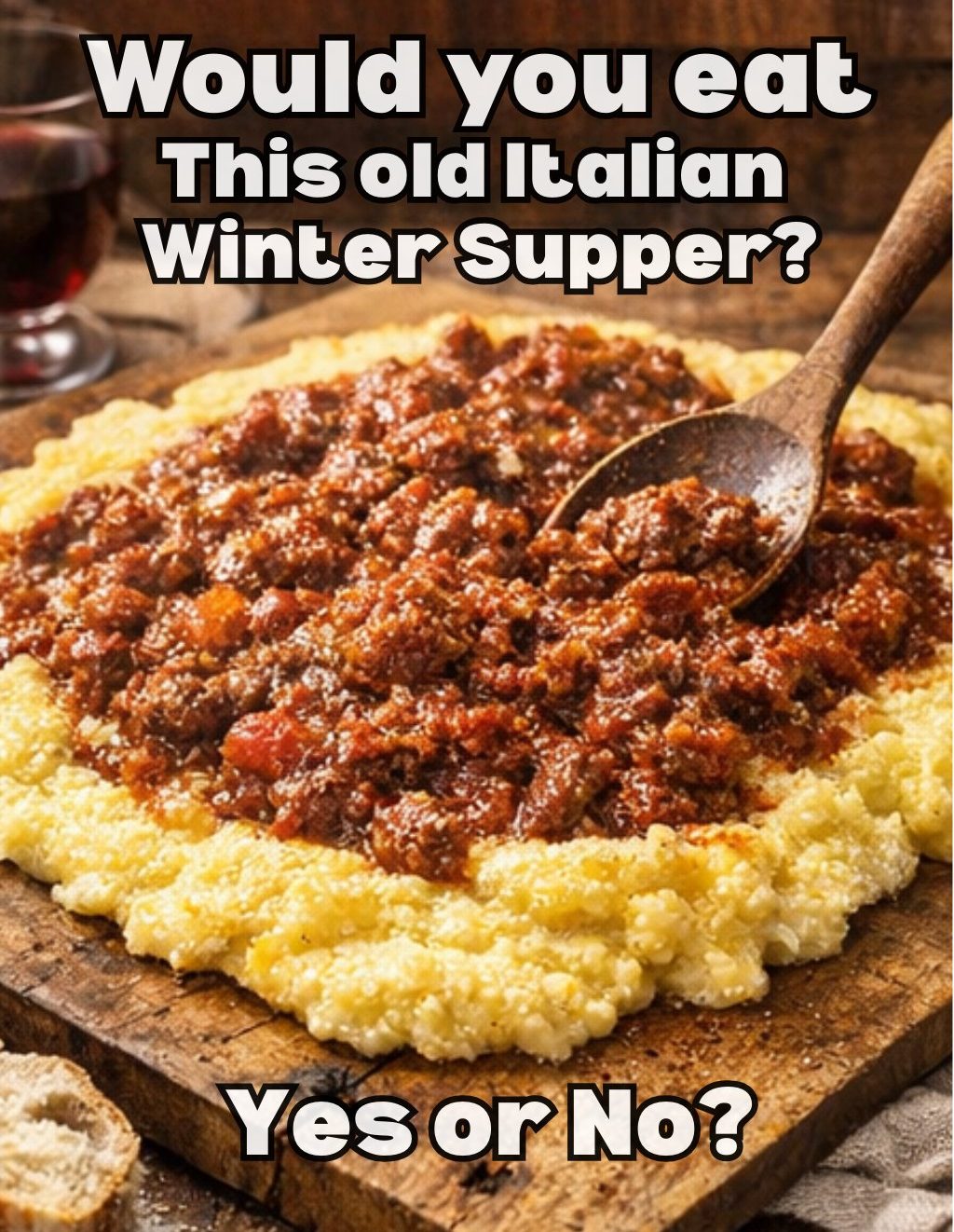
Imagine a dish that wraps you in warmth and comfort with every bite. Polenta with ragu is that dish. It’s a classic Italian staple that brings together the creamy texture of polenta with a robust, flavorful meat sauce. Whether you’re looking for a cozy meal on a chilly evening or a hearty dish to impress guests, this recipe delivers on all fronts. The combination of simple ingredients with a slow-cooked sauce creates a depth of flavor that is both satisfying and memorable.
This recipe is perfect for those who appreciate the art of slow cooking. The ragu sauce is simmered to perfection, allowing the flavors to meld beautifully. Plus, polenta is naturally gluten-free, making it a great option for those with dietary restrictions. You’ll love how the creamy polenta acts as the perfect canvas for the rich, savory ragu. It’s a dish that feels like a warm hug from the inside out.
Ingredients
To create this comforting dish, you’ll need the following ingredients:
- For the Polenta:
- 2 cups of coarse cornmeal
- 6 cups of water
- 1 teaspoon of salt
- 3 tablespoons of unsalted butter
- 1/2 cup of grated Parmesan cheese
- For the Ragu:
- 1 pound of ground beef or pork
- 1 onion, finely chopped
- 2 cloves of garlic, minced
- 1 carrot, diced
- 1 celery stalk, diced
- 1 can (28 ounces) of crushed tomatoes
- 1 cup of red wine
- 2 tablespoons of tomato paste
- 1 teaspoon of dried oregano
- Salt and pepper to taste
- 2 tablespoons of olive oil
Step by Step Instructions
Creating this dish is a rewarding process that fills your kitchen with enticing aromas. Follow these steps for a perfect polenta with ragu:
- Prepare the Ragu: Heat olive oil in a large pot over medium heat. Add the chopped onion, garlic, carrot, and celery. Sauté until the vegetables are soft and fragrant.
- Add the ground meat to the pot, breaking it up with a spoon. Cook until browned. Stir in the tomato paste, crushed tomatoes, and red wine. Season with oregano, salt, and pepper. Reduce the heat to low and let the sauce simmer for at least an hour, stirring occasionally.
- Cook the Polenta: In a separate pot, bring the water to a boil. Add salt and gradually whisk in the cornmeal. Reduce the heat to low and cook, stirring frequently, until the polenta thickens and becomes creamy, about 30-40 minutes.
- Stir in the butter and Parmesan cheese into the polenta, mixing until smooth and creamy.
- Combine and Serve: Spoon the creamy polenta onto plates or shallow bowls. Top generously with the ragu sauce. Garnish with additional Parmesan cheese if desired.
You Must Know
Polenta with ragu is a dish that thrives on patience and quality ingredients. The key to a great ragu is allowing the sauce to simmer for an extended period. This slow cooking process breaks down the meat and melds the flavors, resulting in a sauce that is rich and complex. Don’t rush this step; it’s what transforms a simple sauce into something extraordinary.
When cooking polenta, it’s important to stir frequently to prevent lumps and ensure a smooth texture. If you find the polenta is too thick, you can add a bit more water or broth to reach your desired consistency. Remember, the goal is a creamy, almost porridge-like texture that complements the hearty ragu perfectly.
Storage Tips
Leftovers of this dish are a blessing, as the flavors continue to develop and deepen. Store any remaining polenta and ragu separately in airtight containers in the refrigerator. The polenta can be kept for up to three days, while the ragu will last for about five days. To reheat, simply add a splash of water or broth to the polenta and warm it over low heat, stirring until creamy again. The ragu can be reheated on the stove or in the microwave, adding a little water if necessary to loosen the sauce.
If you’d like to freeze the ragu for later use, allow it to cool completely before transferring it to a freezer-safe container. It can be frozen for up to three months. Thaw in the refrigerator overnight before reheating.
Ingredient Substitutions
One of the joys of cooking is the ability to adapt recipes to suit your tastes and dietary needs. For a vegetarian version of this dish, you can substitute the meat with lentils or a plant-based ground meat alternative. If you prefer a lighter ragu, consider using ground turkey or chicken instead of beef or pork.
For the polenta, you can substitute water with chicken or vegetable broth for added flavor. If you’re looking for a dairy-free option, replace the butter with olive oil and use nutritional yeast in place of Parmesan cheese for a cheesy flavor without the dairy.
Serving Suggestions
This dish is a meal in itself, but you can elevate your dining experience with a few thoughtful accompaniments. A crisp green salad with a light vinaigrette pairs beautifully with the rich flavors of the polenta and ragu. A side of roasted vegetables, such as Brussels sprouts or asparagus, adds color and nutrition to your plate.
For a true Italian feast, serve this dish with a loaf of crusty bread to soak up every last drop of the delicious ragu. A glass of red wine, perhaps the same one used in the sauce, complements the meal perfectly, enhancing the flavors and adding a touch of elegance.
Cultural Context
Polenta with ragu is a dish deeply rooted in Italian culinary tradition, particularly in the northern regions of Italy. Polenta itself has been a staple in Italian cuisine for centuries, often referred to as “Italian grits.” It was originally a peasant food, providing sustenance and warmth to those who worked the land.
The ragu sauce, on the other hand, is a symbol of Italian home cooking, with each family having its own version passed down through generations. The slow-cooked meat sauce is a testament to the Italian philosophy of using simple, high-quality ingredients to create dishes that are greater than the sum of their parts. This dish is a celebration of Italian comfort food, bringing people together around the table to share in its warmth and flavor.
Pro Tips
To take your polenta with ragu to the next level, consider these pro tips. First, use a high-quality tomato product for your ragu, as it forms the base of the sauce. San Marzano tomatoes are a popular choice for their sweetness and low acidity.
When making the polenta, a heavy-bottomed pot is ideal to prevent sticking and ensure even cooking. If you’re making polenta ahead of time, you can pour it into a baking dish, let it cool, and then slice it into pieces to grill or fry for a different texture.
Lastly, don’t be afraid to adjust the seasoning of your ragu as it cooks. Taste as you go and add more salt, pepper, or herbs to suit your palate. Remember, cooking is an art, and your taste buds are the best guide.
Recipe FAQs
Can I make the ragu in advance? Absolutely! In fact, ragu often tastes even better the next day as the flavors have more time to meld together. Make it a day ahead and store it in the refrigerator.
Is it possible to use instant polenta? Yes, instant polenta is a convenient option if you’re short on time. It cooks much faster, but you may miss out on the creamy texture that comes from the traditional slow-cooking method.
What if my polenta is too thick? If your polenta becomes too thick, simply stir in a bit more water or broth until you achieve the desired consistency. Polenta should be creamy and smooth, not stiff.