
Why You Will Love This Recipe
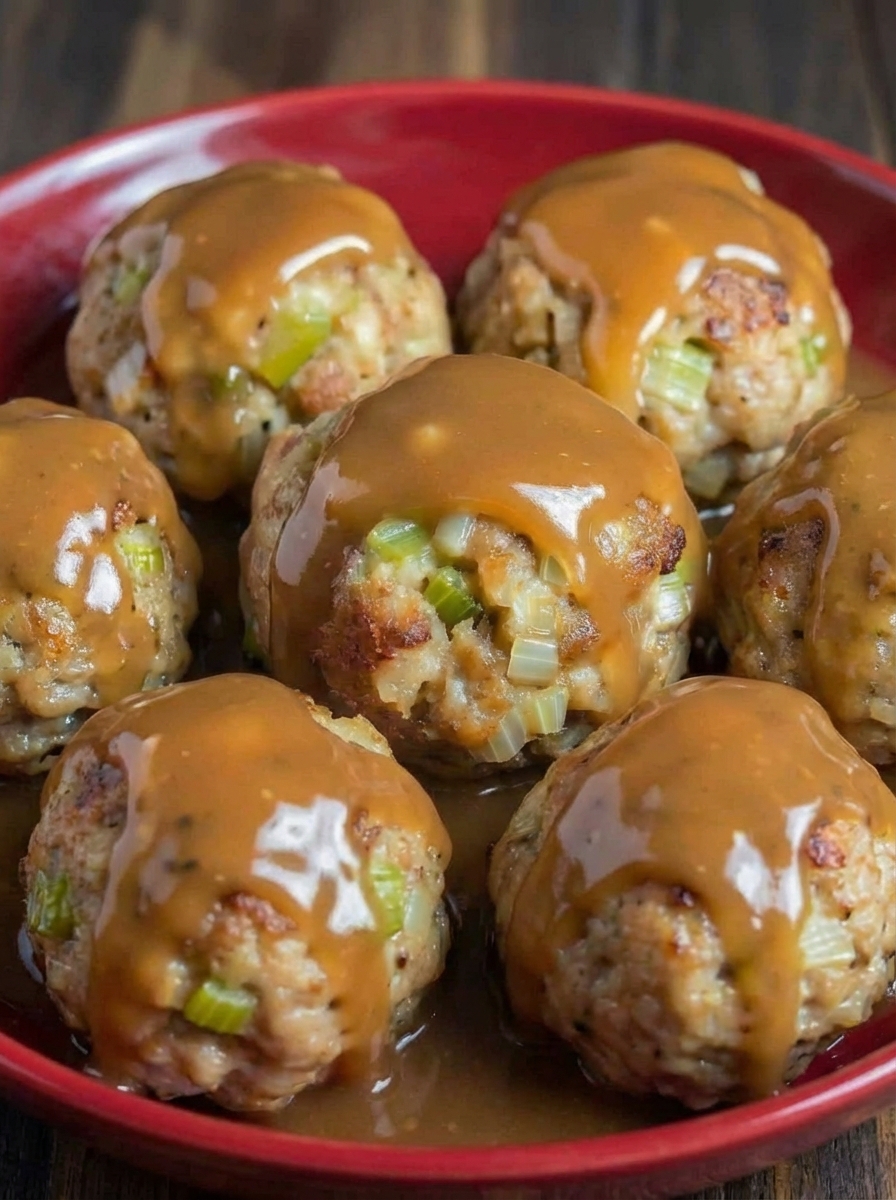
If you’re looking for a comforting dish that combines the traditional flavors of stuffing with a fun, bite-sized twist, these savory stuffing balls are a must-try. They are perfect for any occasion, whether it’s a festive holiday gathering or a simple weeknight meal. The combination of herbs and spices creates a rich, aromatic flavor that will fill your home with the scent of warmth and comfort.
These stuffing balls are incredibly versatile and can be served as a side dish, appetizer, or even a main course. Their crispy exterior and soft, flavorful interior make them a hit with both adults and children alike. Plus, they are easy to prepare, making them a great option for busy cooks who still want to impress their guests.
Ingredients
- 1 loaf of day-old bread, cubed
- 1 cup chicken or vegetable broth
- 1 onion, finely chopped
- 2 stalks celery, diced
- 2 cloves garlic, minced
- 1/4 cup fresh parsley, chopped
- 1 teaspoon dried sage
- 1 teaspoon dried thyme
- Salt and pepper to taste
- 2 eggs, beaten
- 2 tablespoons butter
Step by Step Instructions
- Preheat your oven to 375°F (190°C). Line a baking sheet with parchment paper.
- In a large skillet, melt the butter over medium heat. Add the onion, celery, and garlic, and sauté until the vegetables are soft and fragrant, about 5 minutes.
- In a large bowl, combine the bread cubes, sautéed vegetables, parsley, sage, thyme, salt, and pepper. Mix well to evenly distribute the ingredients.
- Pour the broth over the bread mixture, stirring to moisten. Add the beaten eggs and mix until the mixture holds together.
- Shape the mixture into golf ball-sized balls and place them on the prepared baking sheet.
- Bake for 20-25 minutes, or until the stuffing balls are golden brown and crispy on the outside.
- Remove from the oven and let cool slightly before serving.
You Must Know
One of the secrets to making perfect stuffing balls is using day-old bread. Fresh bread can be too moist, which may result in a soggy texture. If you don’t have day-old bread, simply cube fresh bread and let it sit out overnight to dry out slightly.
Another tip is to ensure that your vegetable mixture is completely cooled before mixing it with the bread and eggs. This prevents the eggs from cooking prematurely and ensures a uniform texture throughout the stuffing balls.
Storage Tips
These stuffing balls can be made ahead of time and stored in the refrigerator for up to three days. Simply reheat them in the oven at 350°F (175°C) for about 10 minutes, or until warmed through, before serving.
If you’d like to freeze them, place the baked stuffing balls on a baking sheet and freeze until solid. Then transfer them to a freezer-safe container or bag. They can be frozen for up to two months. To reheat, bake from frozen at 375°F (190°C) for 20-25 minutes.
Ingredient Substitutions
If you’re looking to make these stuffing balls vegetarian, simply use vegetable broth instead of chicken broth. You can also add in your favorite vegetables, such as mushrooms or bell peppers, to enhance the flavor and nutritional value.
For a gluten-free version, substitute the bread with your favorite gluten-free bread. Just make sure the bread is slightly stale for the best texture.
Serving Suggestions
These stuffing balls are incredibly versatile and can be served in a variety of ways. Pair them with a classic roast turkey or chicken for a traditional meal, or serve them alongside a hearty salad for a lighter option. They also make a great appetizer for holiday parties, served with a side of cranberry sauce or gravy for dipping.
For a unique twist, try serving them with a creamy mushroom sauce or a tangy apple chutney. The possibilities are endless, and they’re sure to be a hit no matter how you serve them.
Cultural Context
Stuffing is a beloved dish in many cultures, often associated with holiday feasts and family gatherings. In the United States, it’s a staple at Thanksgiving dinners, where it’s traditionally served alongside turkey. The concept of stuffing, however, dates back centuries and can be found in various forms around the world.
In the UK, stuffing is often made with sausage meat and served with roast dinners. In the Mediterranean, rice or bulgur is commonly used as a base for stuffing vegetables like peppers and tomatoes. These stuffing balls bring a modern twist to a timeless tradition, allowing you to enjoy the comforting flavors of stuffing in a new and exciting way.
Pro Tips
To ensure your stuffing balls hold their shape, make sure the mixture is well-moistened but not too wet. If the mixture feels too dry, add a little more broth until it reaches the right consistency.
For an extra crispy exterior, try drizzling a little olive oil over the stuffing balls before baking. This will give them a beautiful golden color and enhance their flavor.
If you want to add a bit of crunch, consider incorporating nuts such as chopped walnuts or pecans into the mixture. They add a delightful texture contrast and a nutty flavor that complements the herbs perfectly.
Recipe FAQs
Can I make these stuffing balls ahead of time?
Yes, you can prepare the mixture a day in advance and store it in the refrigerator. When you’re ready to bake, simply shape the balls and proceed with the recipe.
What can I serve with stuffing balls?
Stuffing balls pair well with a variety of dishes, including roasted meats, salads, and vegetable sides. They’re also delicious on their own as a snack or appetizer.
How do I keep the stuffing balls from falling apart?
Ensure that the mixture is well-combined and moist enough to hold together. If necessary, add a bit more broth or an extra egg to help bind the ingredients.