
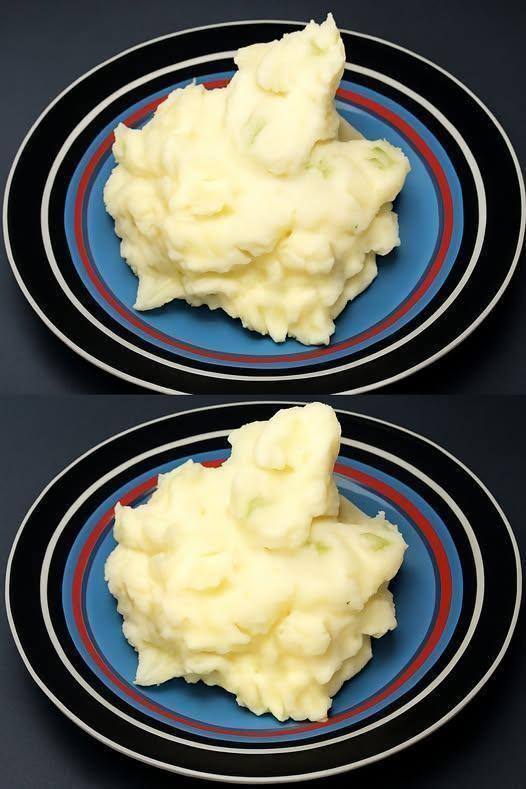
Why You Will Love This Recipe
If you’ve ever been disappointed by mashed potatoes that turned out watery or bland, this recipe is about to change your life. The secret lies in a simple technique that ensures your potatoes are creamy, flavorful, and irresistible every single time. Imagine a bowl of mashed potatoes so smooth and buttery that it becomes the star of your meal. This recipe is not only easy to follow but also a guaranteed crowd-pleaser, perfect for family dinners or holiday feasts.
What makes this recipe stand out is its ability to transform humble potatoes into a gourmet delight. The method we use enhances the natural flavors of the potatoes, ensuring that every bite is rich and satisfying. Whether you’re a seasoned cook or a kitchen novice, you’ll find this recipe approachable and rewarding. Get ready to impress your family and friends with the best mashed potatoes they’ve ever tasted.
Ingredients
- 2 pounds of Yukon Gold potatoes
- 1 cup of heavy cream
- 4 tablespoons of unsalted butter
- Salt and pepper to taste
- Optional: fresh chives or parsley for garnish
Step by Step Instructions
- Prepare the Potatoes: Begin by peeling the potatoes and cutting them into evenly sized chunks. This ensures they cook at the same rate.
- Steam Instead of Boil: Place the potato chunks in a steamer basket over a pot of simmering water. Cover and steam for 20-25 minutes until they are fork-tender.
- Heat the Cream and Butter: While the potatoes are steaming, gently heat the cream and butter in a small saucepan until the butter is melted. Do not let it boil.
- Mash the Potatoes: Transfer the steamed potatoes to a large bowl. Use a potato masher or ricer to mash them until smooth.
- Combine Ingredients: Gradually add the warm cream and butter mixture to the potatoes, stirring gently until fully incorporated. Season with salt and pepper to taste.
- Garnish and Serve: Transfer the mashed potatoes to a serving dish and garnish with fresh chives or parsley if desired. Serve immediately.
You Must Know
The key to perfect mashed potatoes is avoiding excess water, which is why steaming is preferred over boiling. Boiling can cause the potatoes to absorb too much water, leading to a watery mash. Steaming, on the other hand, cooks the potatoes evenly without waterlogging them, preserving their natural starches and flavor.
Another important tip is to ensure that your cream and butter are warm when you add them to the potatoes. Cold ingredients can cause the potatoes to seize up, resulting in a less creamy texture. By gently heating the cream and butter, you ensure a smooth and luscious consistency.
Storage Tips
Mashed potatoes can be stored in an airtight container in the refrigerator for up to three days. To reheat, place them in a saucepan over low heat, adding a splash of cream or milk to restore their creamy texture. Stir frequently to prevent sticking.
If you have a large batch, consider freezing individual portions. Allow the mashed potatoes to cool completely before transferring them to freezer-safe containers. They can be stored in the freezer for up to two months. To reheat, thaw in the refrigerator overnight and warm gently on the stove.
Ingredient Substitutions
If you don’t have Yukon Gold potatoes, Russet potatoes are a great alternative. They have a higher starch content, which can also result in fluffy mashed potatoes. For a lighter version, you can substitute half-and-half for heavy cream, though this may slightly alter the richness.
For a dairy-free option, replace the butter with a plant-based alternative and use coconut milk or almond milk instead of cream. These substitutions will give your mashed potatoes a unique flavor profile while keeping them creamy and delicious.
Serving Suggestions
These mashed potatoes pair beautifully with a variety of dishes. Serve them alongside roasted chicken or turkey for a classic meal. They also complement beef dishes like pot roast or steak, providing a comforting contrast to the savory meat.
For a vegetarian option, consider serving them with sautéed mushrooms or a hearty vegetable stew. The creamy texture of the potatoes balances well with the earthy flavors of the vegetables, creating a satisfying and wholesome meal.
Cultural Context
Mashed potatoes have been a staple in many cultures around the world, particularly in Western cuisine. They are often associated with comfort food and are a traditional part of holiday meals such as Thanksgiving and Christmas in the United States. The dish’s simplicity and versatility have made it a beloved addition to family gatherings and celebrations.
Historically, potatoes were introduced to Europe from the Americas in the 16th century and quickly became a dietary staple due to their nutritional value and ease of cultivation. Mashed potatoes, in particular, have evolved over centuries, with variations appearing in different countries, each adding their own unique twist to the classic recipe.
Pro Tips
For the fluffiest mashed potatoes, use a potato ricer or food mill instead of a masher. This ensures a smooth consistency without overworking the potatoes, which can make them gluey.
Always taste and adjust the seasoning before serving. Potatoes can absorb a lot of salt, so don’t be afraid to add more if needed. A pinch of nutmeg can also enhance the flavor, adding a subtle warmth to the dish.
Recipe FAQs
Can I make mashed potatoes ahead of time?
Yes, you can prepare them a day in advance. Store them in the refrigerator and reheat gently before serving, adding a little cream or milk to restore their texture.
What can I do if my mashed potatoes are too thick?
If your mash is too thick, simply add more warm cream or milk a little at a time, stirring until you reach the desired consistency.
How can I prevent my mashed potatoes from becoming gluey?
To avoid gluey potatoes, be careful not to over-mash them. Using a ricer or food mill helps maintain a light and fluffy texture.