
Why You Will Love This Recipe
If you’ve ever stood in the produce aisle wondering about the differences between green onions, scallions, spring onions, and chives, you’re not alone. These vibrant greens add a burst of flavor and color to dishes, but their subtle differences can make all the difference in your cooking. Understanding these nuances will not only enhance your culinary skills but also impress your family and friends with your newfound knowledge.
Each of these ingredients brings its own unique taste and texture to the table. From the mild, onion-like flavor of scallions to the delicate, grassy notes of chives, these greens are a chef’s secret weapon. Whether you’re garnishing a dish or incorporating them into a recipe, knowing which one to use can elevate your meals to new heights.
Ingredients
While this isn’t a traditional recipe with a list of ingredients, understanding the characteristics of each type of green onion is essential for their proper use in cooking:
- Green Onions/Scallions: These are the same and can be used interchangeably. They have a mild flavor and are perfect for salads, soups, and garnishes.
- Spring Onions: Slightly older than green onions, they have a small bulb and a stronger flavor, making them ideal for roasting or grilling.
- Chives: With a delicate, mild onion flavor, chives are best used fresh as a garnish or in dishes where their subtlety can shine.
Step by Step Instructions
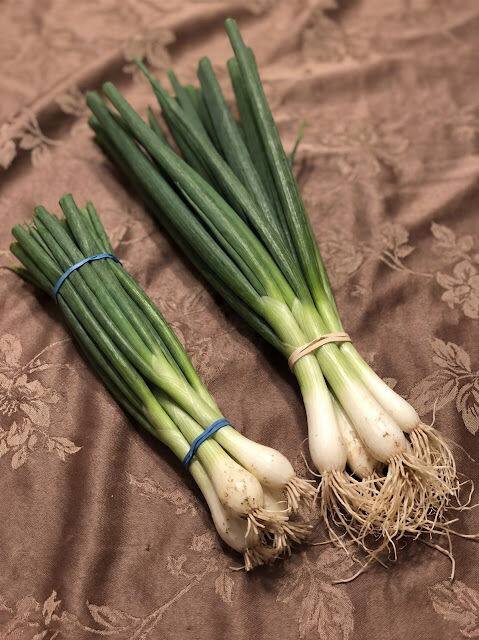
- Identify Your Greens: Start by examining the greens. Green onions and scallions are long with a white base and green tops. Spring onions have a noticeable bulb at the base, while chives are thin and grass-like.
- Choose the Right One: Decide based on your recipe. For a mild onion flavor, opt for green onions or scallions. If you need a stronger taste, spring onions are your go-to. For a subtle garnish, chives are perfect.
- Prepare for Cooking: Wash thoroughly under cold water to remove any dirt. Chop according to your recipe’s requirements, whether it’s slicing for salads or mincing for garnishes.
You Must Know
It’s important to know that while green onions and scallions are the same, their names might vary depending on the region. In some places, ‘scallion’ is the more common term, while ‘green onion’ is used elsewhere. Spring onions, on the other hand, are distinctly different due to their bulbous base and stronger flavor.
Chives, often confused with these other greens, are actually a different species altogether. They belong to the same family but are much milder and more delicate. Their flavor is best preserved when used fresh and added at the end of cooking.
Storage Tips
To keep your greens fresh, store them in the refrigerator. Green onions and scallions can be wrapped in a damp paper towel and placed in a plastic bag. This method helps retain moisture and prolongs their freshness for up to a week.
Spring onions should be stored similarly, but they can also be kept in a jar with a bit of water, like a bouquet of flowers, to extend their shelf life. Chives, being more delicate, should be used within a few days of purchase for the best flavor.
Ingredient Substitutions
If you find yourself without one of these greens, there are a few substitutions you can consider. Leeks can be used in place of green onions or scallions for a similar, though slightly stronger, flavor. For chives, finely minced shallots can provide a comparable taste, though they are more pungent.
When substituting spring onions, consider using a combination of green onions and a small amount of regular onion to mimic the flavor profile. Remember, the key is to balance the intensity of the flavors to suit your dish.
Serving Suggestions
These greens are incredibly versatile and can be used in a variety of dishes. Sprinkle chopped chives over baked potatoes or soups for a pop of color and flavor. Use green onions in stir-fries or salads for a fresh, crisp bite.
Spring onions are excellent when roasted or grilled, adding depth to any meal. They can also be used in salsas or dips for an extra kick. The possibilities are endless, so don’t be afraid to experiment and find your favorite uses for these greens.
Cultural Context
Green onions, scallions, and their relatives have been staples in cuisines around the world for centuries. In Asian cooking, they are often used in stir-fries, soups, and as a garnish. In Western cuisine, they frequently appear in salads, baked dishes, and as a topping for various savory foods.
Chives, with their mild flavor, have been a favorite in French cuisine, especially in sauces and as a garnish. Their delicate nature and subtle taste make them a cherished ingredient in many traditional recipes.
Pro Tips
To maximize the flavor of these greens, always add them towards the end of cooking. This preserves their fresh taste and vibrant color. If you’re using them as a garnish, chop them just before serving to maintain their crispness.
For an added burst of flavor, try grilling or roasting spring onions. The heat caramelizes their natural sugars, enhancing their sweetness and adding a smoky touch to your dishes.
Recipe FAQs
Can I use green onions instead of chives? Yes, but remember that green onions have a stronger flavor. Use them sparingly if you’re substituting for chives in a recipe.
What’s the best way to store chives? Keep them in the refrigerator, wrapped in a damp paper towel inside a plastic bag. Use them within a few days for the best flavor.
Are scallions and green onions the same? Yes, they are the same and can be used interchangeably in recipes.