
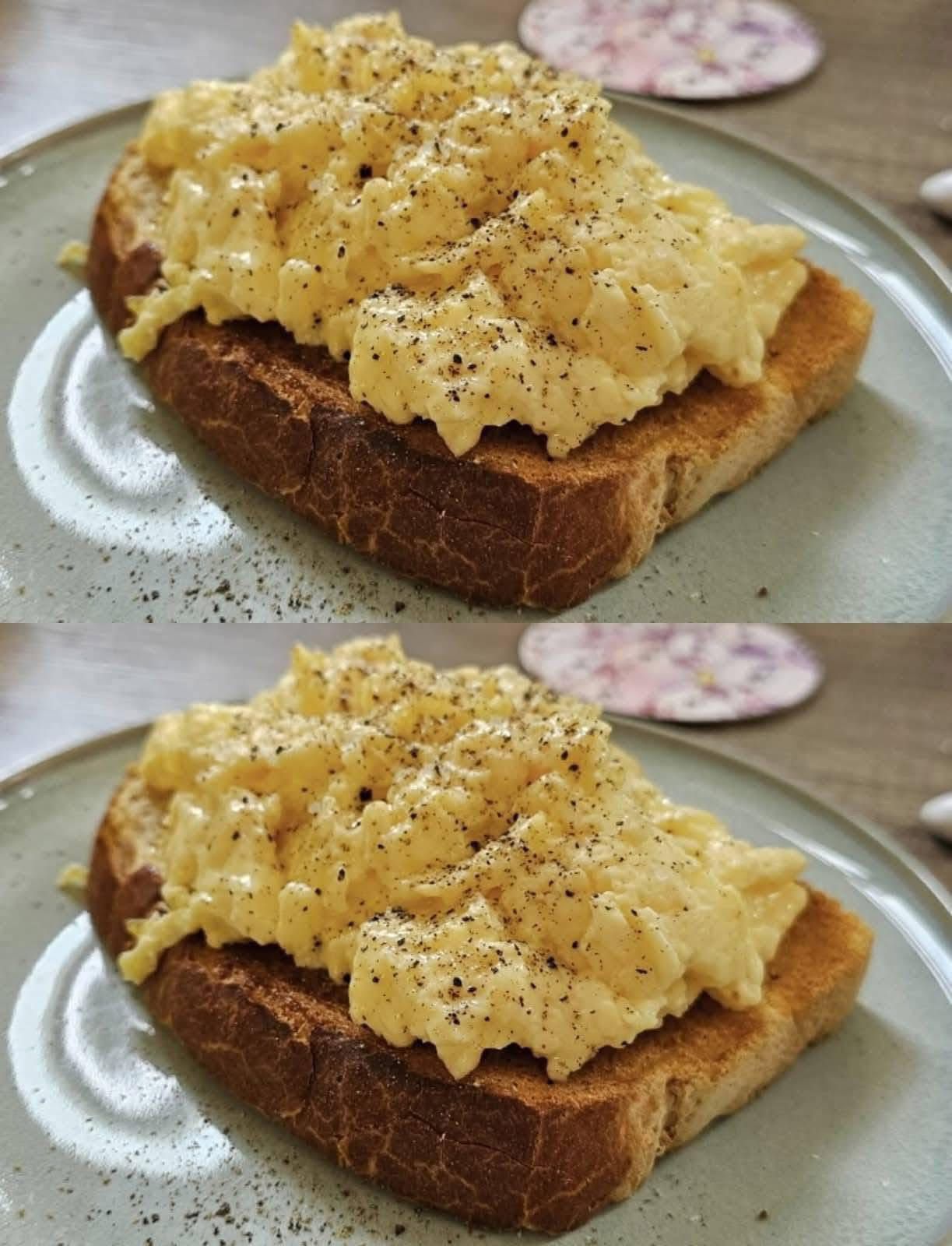
Why You Will Love This Recipe
Scrambled eggs are a breakfast staple that can be enjoyed at any time of the day. What makes them truly special is their simplicity and versatility. Whether you’re a novice cook or a seasoned chef, perfecting scrambled eggs is a rewarding culinary accomplishment. This recipe promises creamy, fluffy eggs that melt in your mouth, and the best part is, it takes just minutes to prepare. You’ll love how easy it is to customize these eggs with your favorite ingredients, making them a personal masterpiece every time.
Imagine waking up to the comforting aroma of freshly cooked eggs, their rich, buttery scent filling the kitchen. This recipe is not just about cooking; it’s about creating a moment of joy and satisfaction. The perfect scrambled eggs are a testament to the beauty of simplicity, where the quality of ingredients and technique shine through. Whether you’re cooking for yourself or for a loved one, these eggs are sure to delight and impress.
Ingredients
- 4 large eggs
- 2 tablespoons of whole milk or cream
- Salt and freshly ground black pepper to taste
- 1 tablespoon of unsalted butter
- Optional: Fresh herbs like chives or parsley, grated cheese, or diced tomatoes
Step by Step Instructions
- Crack the Eggs: Gently crack the eggs into a bowl and add the milk or cream. Season with a pinch of salt and pepper. Whisk the mixture until the yolks and whites are fully combined and slightly frothy.
- Heat the Pan: Place a non-stick skillet over medium-low heat and add the butter. Allow it to melt slowly, coating the bottom of the pan evenly.
- Cook the Eggs: Pour the egg mixture into the skillet. Let it sit undisturbed for a few moments until the edges start to set. Using a spatula, gently stir the eggs, pushing them from the edges towards the center. Continue to cook, stirring occasionally, until the eggs are just set but still slightly runny.
- Finish and Serve: Remove the skillet from the heat while the eggs are still slightly undercooked, as they will continue to cook from residual heat. If desired, fold in any additional ingredients like herbs or cheese. Serve immediately for the best texture.
You Must Know
The key to perfect scrambled eggs lies in the cooking technique. Cooking them over low heat ensures they remain tender and creamy. High heat can cause the proteins to seize up, resulting in rubbery eggs. Patience is crucial; allow the eggs to cook slowly, and resist the urge to stir too frequently. This method allows the eggs to form soft curds, creating a luxurious texture.
Another essential tip is to remove the eggs from the heat just before they are fully cooked. The residual heat in the pan will continue to cook them to perfection. This technique prevents overcooking, which can lead to dry and crumbly eggs. Mastering this balance is what sets apart good scrambled eggs from great ones.
Storage Tips
Scrambled eggs are best enjoyed fresh, right off the stove. However, if you have leftovers, store them in an airtight container in the refrigerator for up to two days. To reheat, gently warm them in a non-stick skillet over low heat, adding a splash of milk or cream to restore their creamy texture.
Avoid using the microwave to reheat scrambled eggs, as it can cause them to become rubbery. If you’re planning to make scrambled eggs ahead of time, slightly undercook them initially, so they don’t overcook during reheating.
Ingredient Substitutions
If you’re looking for a dairy-free option, substitute the milk or cream with a plant-based alternative like almond milk or oat milk. For a richer flavor, try using half-and-half instead of milk. Butter can be replaced with olive oil or a dairy-free spread if needed.
Feel free to experiment with different herbs and spices to suit your taste. A pinch of smoked paprika or a dash of hot sauce can add a delightful kick. For a more substantial meal, consider adding cooked bacon or sausage into the mix.
Serving Suggestions
Scrambled eggs are incredibly versatile and pair well with a variety of dishes. Serve them on a slice of toasted sourdough bread for a classic breakfast. They also make a great filling for breakfast burritos or wraps, combined with sautéed vegetables and cheese.
For a more gourmet touch, top your scrambled eggs with smoked salmon and a sprinkle of fresh dill. A side of avocado slices or a fresh garden salad can provide a refreshing contrast to the creamy eggs.
Cultural Context
Scrambled eggs have been a beloved dish across cultures for centuries. In France, they are known as “oeufs brouillés” and are often served with fine herbs. In the United States, they are a breakfast staple, enjoyed in diners and homes alike. The simplicity of scrambled eggs makes them a universal comfort food, adaptable to various culinary traditions.
In many cultures, eggs symbolize new beginnings and fertility, making them a popular choice for celebrations and gatherings. The humble scrambled egg, with its rich history and global appeal, continues to be a cherished dish that brings people together around the table.
Pro Tips
For the fluffiest scrambled eggs, whisk the eggs vigorously before cooking to incorporate air. This step is crucial for achieving that light, airy texture. Additionally, using a silicone spatula allows for gentle stirring and ensures the eggs don’t stick to the pan.
Experiment with different cooking fats for varied flavors. While butter adds a classic richness, cooking the eggs in duck fat or ghee can impart a unique depth of flavor. Remember, the quality of your eggs matters; opt for farm-fresh or organic eggs whenever possible for the best taste.
Recipe FAQs
Can I make scrambled eggs without milk? Yes, you can make scrambled eggs without milk. The milk adds creaminess, but you can achieve similar results by cooking the eggs slowly over low heat.
How do I prevent my scrambled eggs from turning brown? To prevent browning, cook the eggs over low heat and stir gently. Browning occurs when the eggs are cooked too quickly or at too high a temperature.
What’s the best way to season scrambled eggs? Season the eggs with salt and pepper before cooking. You can also add herbs, cheese, or spices for additional flavor. Remember to taste and adjust the seasoning as needed.